
A Homeowner's Guide to Navigating Upstate Storm Damage & Insurance Claims
Here in the Upstate, we're no strangers to a sudden pop-up storm. One minute the sun is shining, and the next, high winds and hail are battering our homes. While these storms are a part of life in Greenville, the aftermath can be incredibly stressful, especially when it comes to roof damage. Filing an insurance claim can feel like navigating a maze of confusing paperwork, tight deadlines, and unfamiliar terminology. You might be wondering if your policy even covers the damage, how to get a fair assessment, and how to avoid the pitfalls of a complicated claims process.
At Anchored Roofing, we believe you shouldn't have to go through it alone. As a local roofing company, we've helped countless homeowners in our community successfully manage their insurance claims. This guide will walk you through the essential steps, from the moment the storm passes to the final repair, ensuring you have the knowledge to protect your home and your investment.
Step 1: Immediate Actions After the Storm
Once the storm has safely passed, your first priority is to assess the situation and prevent any further damage to your home. What you do in these initial hours is crucial for a smooth insurance claim.
- Safety First: Before you do anything else, ensure the area around your home is safe. Look for downed power lines, fallen tree limbs, and other immediate hazards. Avoid climbing on your roof, as it could be slippery or structurally compromised.
- Document Everything: This is one of the most important steps. Using your smartphone, take clear photos and videos of all visible damage from the ground. Capture images of dented gutters, damaged shingles, and any hail marks on your siding or deck. Also, take pictures of any interior leaks or water stains on your ceilings. The more evidence you have, the stronger your claim will be.
- Mitigate Further Damage: If you have an active leak, your insurance policy requires you to take reasonable steps to prevent it from getting worse. This could mean placing buckets under drips or, in more severe cases, calling a professional for emergency tarping. Keep receipts for any temporary repairs you make, as these are often reimbursable.
Step 2: Understanding the Insurance Claim Process
Filing a claim can feel intimidating, but breaking it down makes it much more manageable. The key is to be organized and proactive.
-
Contact Your Insurance Provider: As soon as you've documented the damage, call your insurance company to initiate a claim. They will assign you a claim number and provide instructions on the next steps. Have your policy number handy when you call.
-
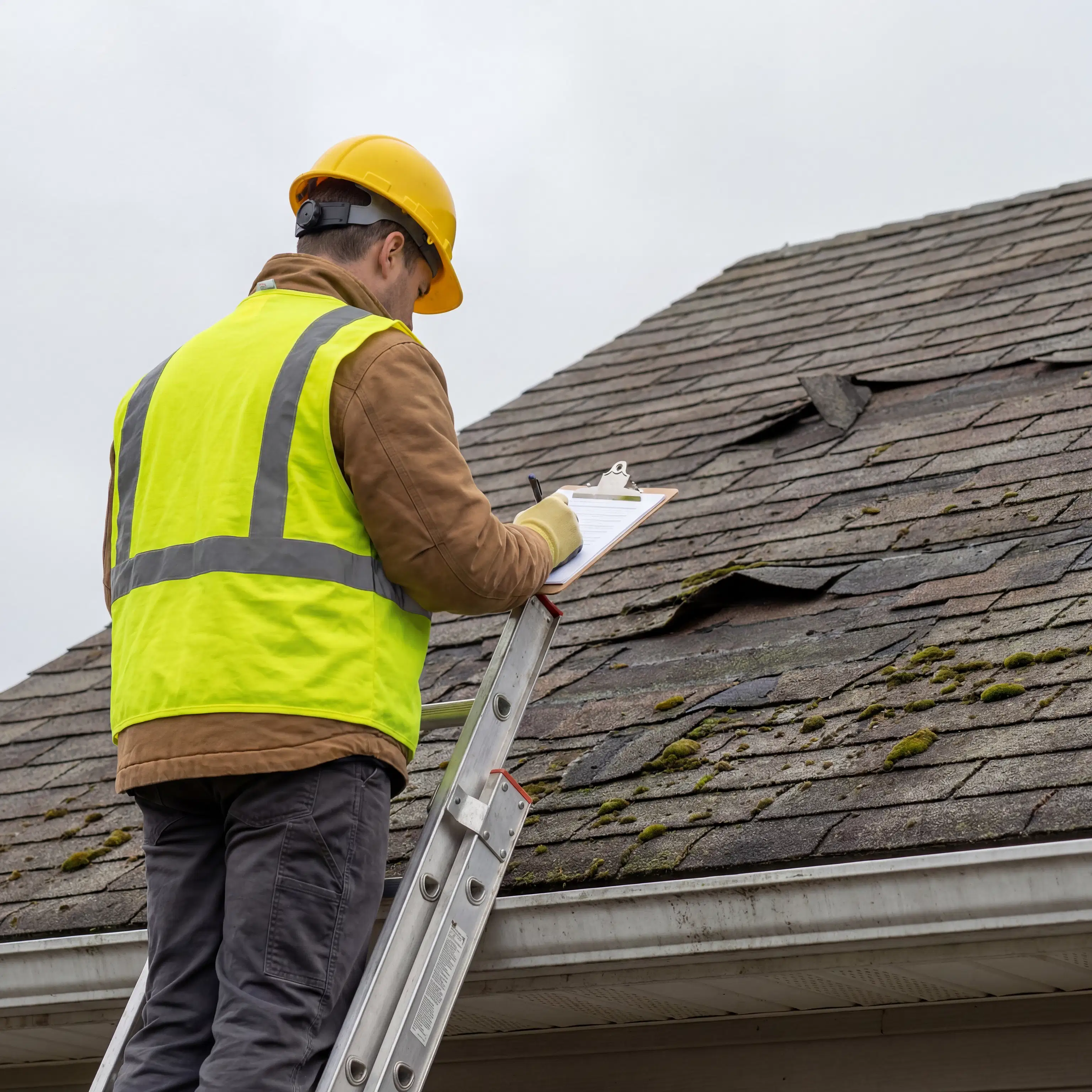
Schedule a Professional Roof Inspection: Before the insurance adjuster visits, it's wise to have a trusted, local roofing contractor inspect your roof. An experienced roofer can identify damage that an untrained eye—or even an adjuster—might miss. This independent assessment provides a valuable baseline for your claim.
-
Meet the Adjuster (With Your Roofer): Whenever possible, schedule your roofer to be present during the insurance adjuster's inspection. Your contractor can act as your advocate, pointing out specific areas of damage and ensuring a thorough and accurate assessment. This collaboration helps prevent overlooked issues and can be instrumental in getting your claim fully approved.
-
Review the Adjuster's Report: After the inspection, you'll receive a report detailing the scope of the damage and an estimate for the repairs. Review this document carefully with your roofer. If there are discrepancies or missing items, your contractor can help you file a supplement to the claim to cover the full cost of a proper roof replacement or repair.
Avoiding Common Pitfalls: Storm Chasers and Low Bids
After a significant storm hits the Upstate, you'll likely see an influx of out-of-town roofing companies, often called "storm chasers." They may offer steep discounts or promise to handle your entire claim for you, but working with them can be risky. These companies often use subpar materials, perform shoddy work, and disappear once the job is done, leaving you with no warranty or recourse if problems arise.
Always choose a licensed, insured, and reputable local contractor with deep roots in the community. A local company understands South Carolina's specific building codes, knows which materials stand up best to our summer heat and humidity, and will be here for you long after the work is complete.
It's also important to be wary of the lowest bid. While affordability is a priority, an unusually low estimate can be a red flag. It may indicate that the contractor is cutting corners, using inferior materials, or is not properly insured. Your insurance company is paying for a quality restoration of your property; partnering with a professional ensures the job is done right and your home is protected for years to come.
Your Local Partner in Storm Recovery
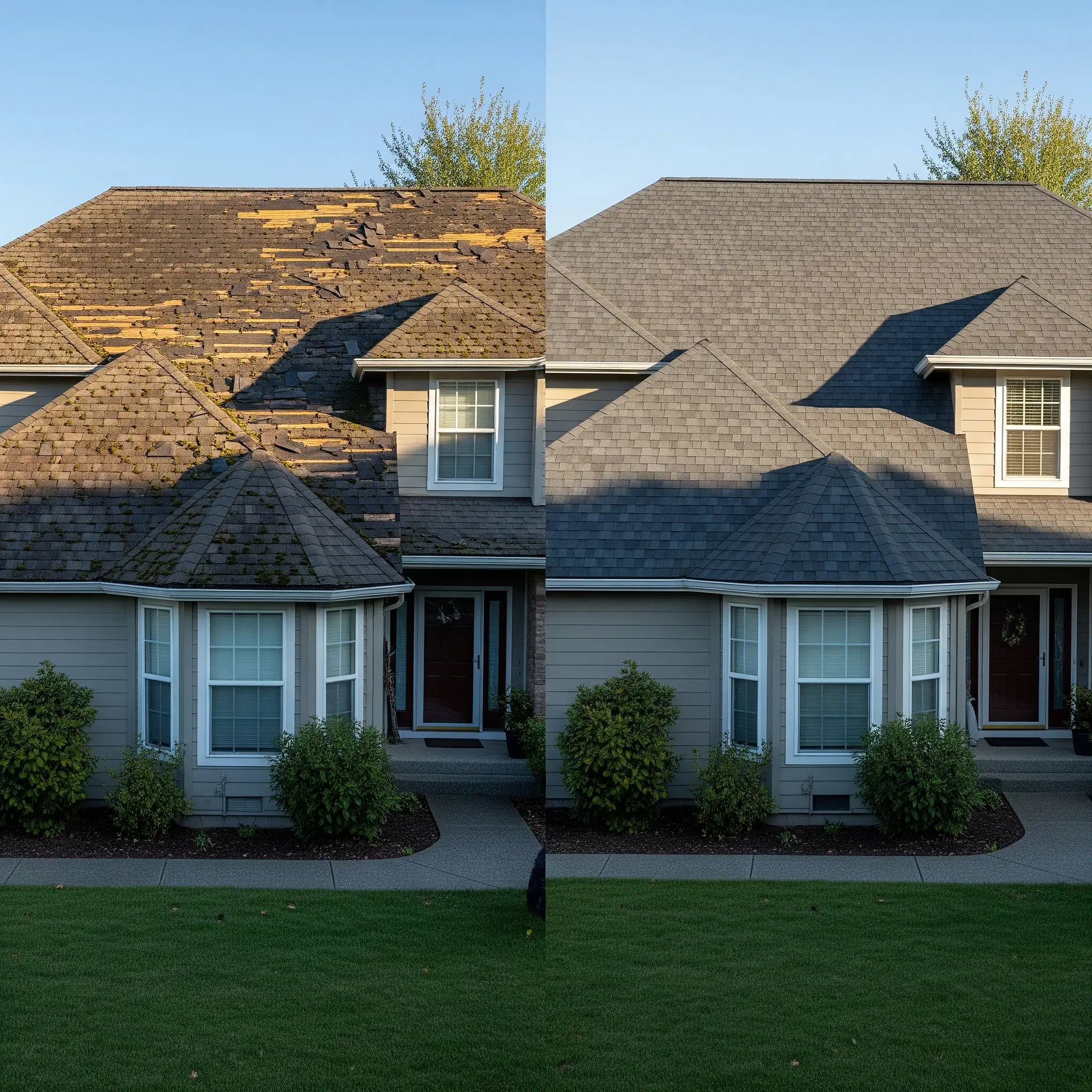
Dealing with storm damage is never easy, but you don't have to face it alone. By taking immediate steps to document damage, understanding the claims process, and partnering with a trustworthy local expert, you can navigate the situation with confidence. A successful insurance claim ensures you have the resources to restore your roof to its pre-storm condition, protecting your family and your home's value.
If your home has been affected by a recent storm in the Greenville area, contact Anchored Roofing today. We provide comprehensive damage inspections and expert assistance to guide you through every step of your insurance claim. From professional roof repairs and full roof replacement to new gutter installation, we're here to restore your peace of mind.