
A Homeowner's Guide to Navigating Upstate Storm Damage Insurance Claims
The weather here in the Upstate can be unpredictable. One minute the sun is shining, and the next, a severe storm rolls through, bringing high winds and hail. When the storm passes, the last thing you want to discover is damage to your roof. The stress of the situation is often compounded by the confusing and intimidating process of filing an insurance claim. It can feel overwhelming, leaving you wondering where to even begin.
At Anchored Roofing, we understand. We're a local Greenville company that has helped countless homeowners through this exact process. This guide is designed to give you a clear, step-by-step roadmap for navigating your storm damage insurance claim, ensuring you have the information you need to protect your home and get the coverage you deserve.
Step 1: Prioritize Safety and Document Everything
Immediately after a storm, your first priority is safety. Check on your family and assess your property for immediate hazards like downed power lines or fallen trees. Avoid climbing on your roof, as it can be slippery and structurally compromised.
Once you've confirmed it's safe, your next step is documentation. Before moving or cleaning anything, take extensive photos and videos of the damage from multiple angles. Be as detailed as possible:
- Exterior Damage: Photograph any visible damage to your shingles (dents, cracks, missing granules), gutters, siding, and windows.
- Interior Damage: Look for water stains on ceilings or walls, which could indicate a roof leak.
- Property Damage: Document any damage to outdoor furniture, landscaping, or vehicles caused by hail or falling debris.
This visual evidence is crucial for your insurance claim. If you need to make temporary fixes to prevent further water damage, like placing a tarp over a hole, be sure to take photos of the initial damage first. Keep all receipts for any materials you purchase for these temporary repairs, as they may be reimbursable.
Step 2: Understand Your Policy and Contact Your Insurer
Before you call your insurance company, it's helpful to have your policy documents handy. Understanding a few key terms will make the conversation much smoother:
- Deductible: The amount you are responsible for paying out-of-pocket before your insurance coverage begins.
- Replacement Cost Value (RCV): The cost to replace the damaged property with new materials of similar kind and quality, without deducting for depreciation.
- Actual Cash Value (ACV): The value of the damaged property at the time of the loss. It's typically calculated as the replacement cost minus depreciation.
When you file your claim, provide your policy number and a clear, concise description of the damage based on your documentation. You will be assigned a claim number and an insurance adjuster. Keep a detailed log of every conversation, including the date, time, and the name of the person you spoke with. This organization is key to a less stressful process.
Step 3: Partner with a Trusted Local Roofing Contractor
This is one of the most important steps. While your insurance company will send their own adjuster, it's in your best interest to have a professional advocate on your side. A reputable, local roofing contractor does more than just fix the damage; they play a vital role in the claims process.
Here’s how we can help:
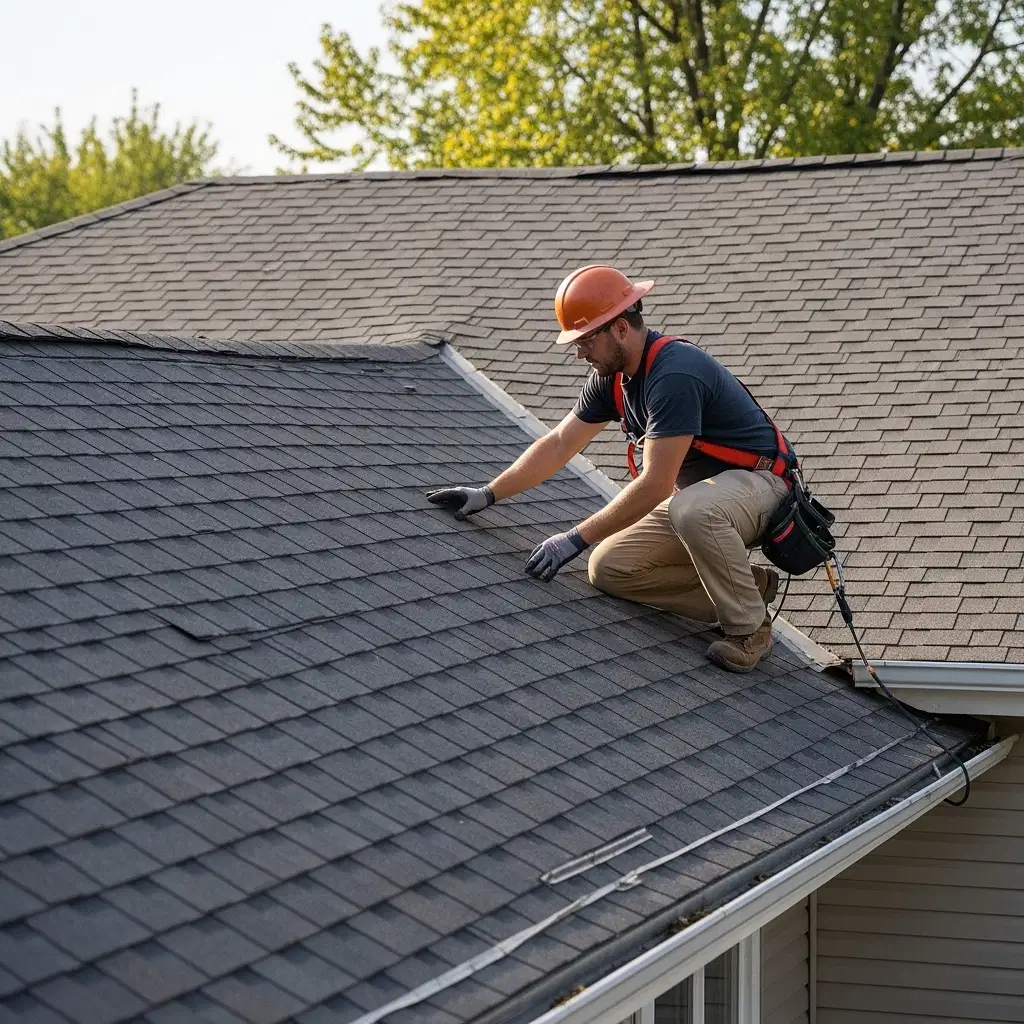
- Comprehensive Inspection: We conduct a thorough, free inspection to identify all storm-related damage. Our trained eyes can spot issues that are often missed by homeowners and even some adjusters, such as subtle hail bruising or wind-lifted shingles that can lead to future leaks. This ensures the full scope of damage is accounted for.
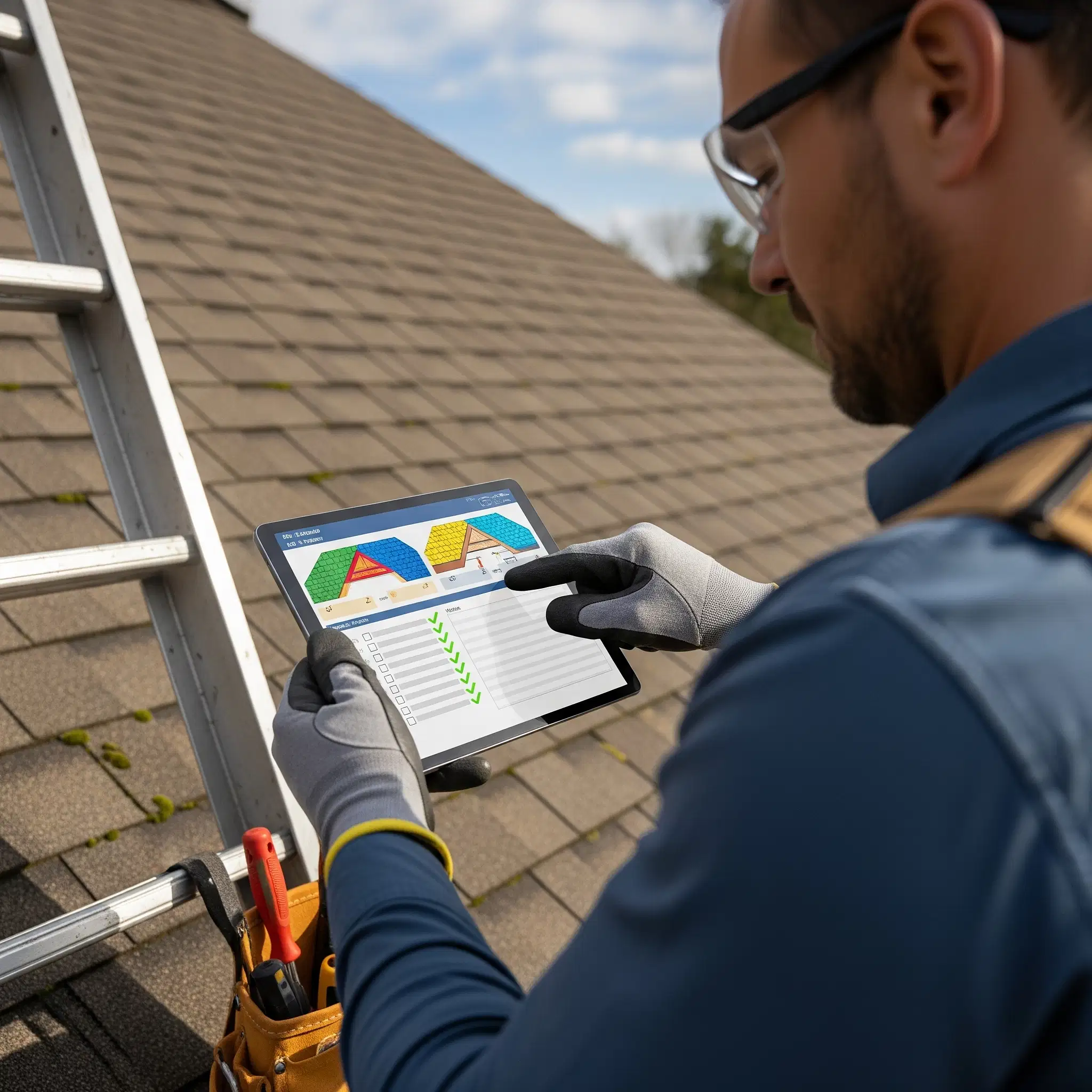
- Professional Estimate: We use the same estimating software as most insurance companies to create a detailed, itemized report. This professional estimate serves as a critical tool when meeting with the insurance adjuster, ensuring all necessary repairs are included in the scope of work.
- Meeting the Adjuster: We are happy to be present when the insurance adjuster visits your property. We can walk the roof with them, point out our findings, and ensure you are represented by an expert who speaks their language. This collaboration helps streamline the process and leads to a more accurate and fair assessment.
Choosing a contractor with experience in insurance claims can make a significant difference in the outcome. It helps prevent your claim from being undervalued and ensures the roof repairs or replacement fully restores your home's integrity.
Step 4: From Approval to Project Completion
After the adjuster's inspection, you will receive a scope of work and an initial payment from your insurance company (often the ACV amount, minus your deductible). It's crucial to review this document carefully with your contractor. If there are discrepancies or missing items, your contractor can submit a supplement to the insurance company with supporting documentation to ensure all necessary work is covered.
Once the scope of work is agreed upon, you can schedule the project. A professional contractor will handle all aspects of the job, from ordering high-quality materials to ensuring the site is clean and safe. They will also address related damage, such as the need for new gutter installation.
Upon completion, your contractor will provide a final invoice, which you can submit to your insurance company to release the remaining funds (the recoverable depreciation, if you have an RCV policy). This final check allows you to pay your contractor the remaining balance.
Don't Go Through It Alone
Dealing with storm damage is stressful enough without the added burden of a complex insurance claim. By following these steps—prioritizing safety, documenting everything, and partnering with an experienced local expert—you can navigate the process with confidence and peace of mind.
If your home has been affected by a recent storm in the Greenville area, don't hesitate to reach out. Contact Anchored Roofing for a free, no-obligation inspection. We're here to provide expert guidance, quality craftsmanship, and the support you need to protect your most important investment.