How Proper Gutter Sizing Protects Your Roof Eaves
When you think about protecting your home from the elements, your roof is likely the first thing that comes to mind. But even the highest-quality shingles can only do so much if the water they shed has nowhere safe to go. Here in the Upstate, we are no strangers to unpredictable weather. From heavy spring downpours to those sudden, intense pop-up storms in the heat of the summer, your home's exterior drainage system is put to the test year-round. Many homeowners are surprised to learn that a failing or improperly sized drainage system can completely compromise the structural integrity of a perfectly good roof.
One of the most vulnerable areas of your home is the roof eave—the part of the roof that hangs over the exterior walls. Eaves are essential because they direct water away from the siding and foundation. However, if your gutters are too small, clogged, or improperly pitched, they can quickly become overwhelmed. When this happens, water does not just spill over the front; it often backs up behind the fascia board, leading to costly hidden damage. Understanding how oversized gutters handle heavy torrential rainfall and why precise sizing is crucial can save you from premature roof replacements and extensive wood rot down the road.
At Anchored Roofing LLC, we frequently encounter homes where the primary issue is not the roofing material itself, but a mismatched drainage system that is actively undermining the roof's performance. Upgrading your home's exterior requires a holistic approach, ensuring every component works in perfect harmony to handle the heavy precipitation and high humidity we experience locally.
The Mechanics of Preventing Overflow Water Damage Under Roof Eaves
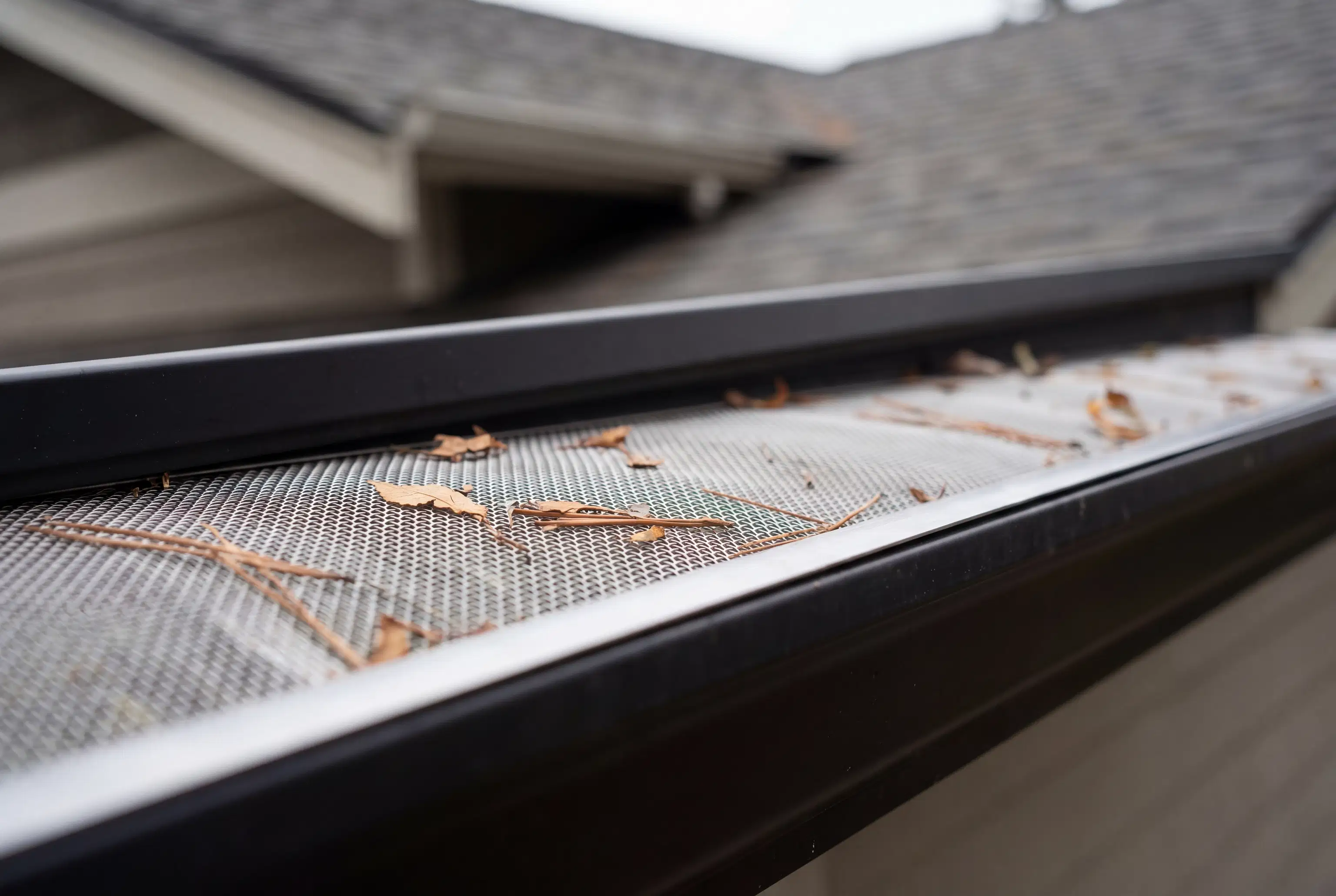
The primary function of your home's exterior drainage is to safely capture and redirect runoff. When rain hits your roof, it gains momentum as it travels down the slope. During a light drizzle, almost any system can handle the flow. But during our intense summer thunderstorms, the volume and velocity of water can be staggering. If the channel is too narrow, the water simply overshoots the edge or quickly fills the trough to the brim.
Preventing overflow water damage under roof eaves requires more than just keeping your channels clear of leaves and debris. It requires adequate volume capacity. When water spills backward over the rear lip of the system, it seeps directly into the fascia board and the soffit. Over time, this constant exposure to moisture causes wood rot, peeling paint, and deterioration of the roof decking itself. This trapped moisture can also contribute to excessive algae growth and mold, problems exacerbated by our high humidity.
Furthermore, when moisture breaches the eaves, it can severely impact the internal environment of your home. If water enters the attic space, it compromises insulation and can lead to serious indoor air quality issues. This is why pairing proper exterior drainage with robust attic ventilation solutions is so critical. A well-ventilated attic works in tandem with a dry, secure roof edge to ensure moisture never has the opportunity to settle and cause decay.
Calculating Gutter Capacity Based on Roof Pitch
Many homeowners assume that a standard five-inch trough is sufficient for any residential property. However, this one-size-fits-all approach is a common misconception that often leads to property damage. When comparing 5 inch vs 6 inch seamless gutters, the difference in water-handling capacity is dramatic. While a five-inch system might be adequate for a small, low-slope roof, a six-inch system holds significantly more water and features a larger downspout opening, drastically reducing the risk of clogs and overflow during severe downpours.
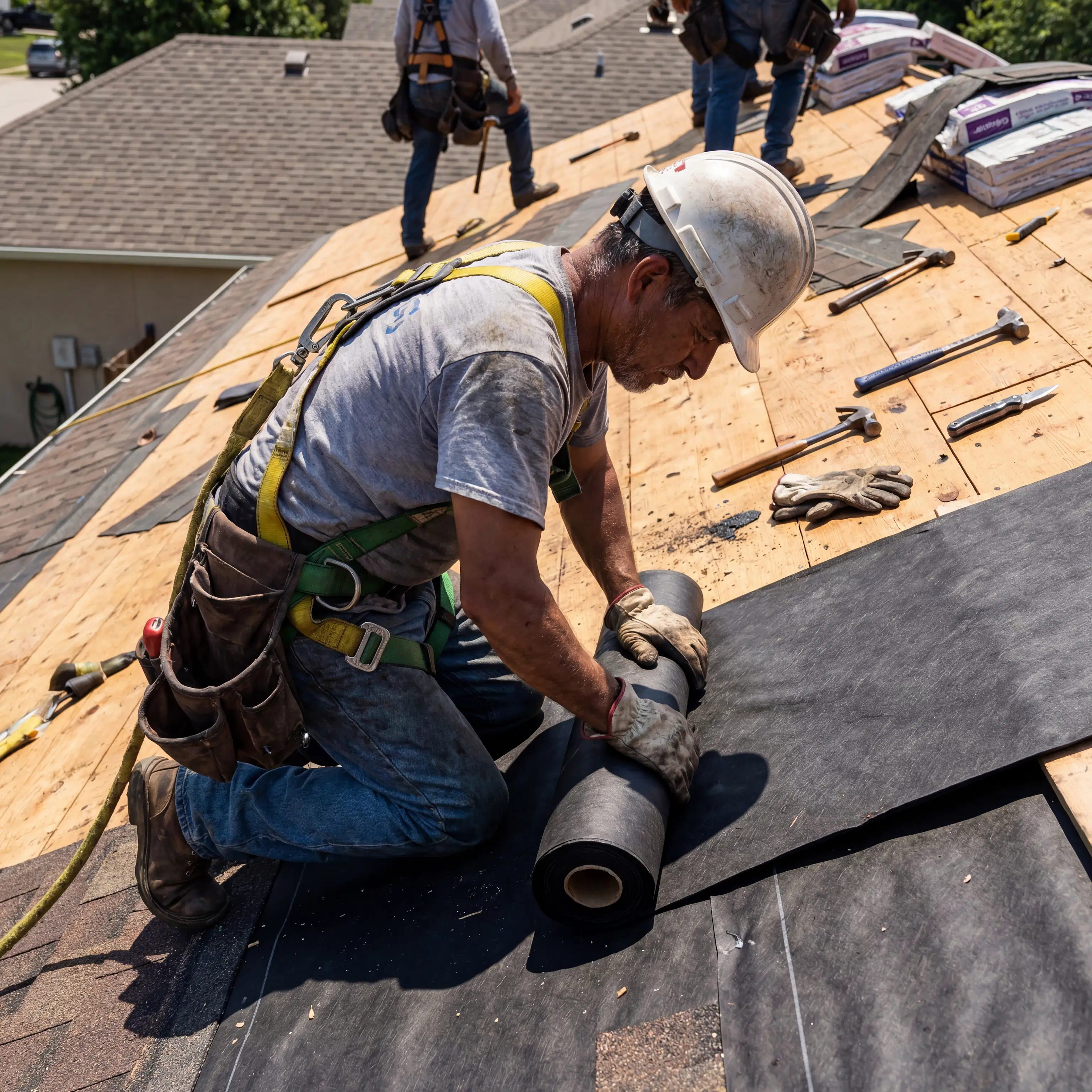
Determining the right size for your home involves calculating gutter capacity based on roof pitch and total square footage. A steep roof pitch forces water to travel faster, meaning the runoff will hit the edge of the roof with much greater force. If the system is too small, the water will easily overshoot the front lip. Additionally, complex rooflines with multiple valleys concentrate massive amounts of water into single runoff points. These high-volume areas require deeper, wider channels to process the flow safely.
Technology has made this assessment much more precise. Our team utilizes advanced drone-assisted roof inspections to accurately measure your roof's pitch, surface area, and complex valleys. This allows us to provide transparent, highly accurate estimates without the guesswork. We can clearly show you high-definition visual proof of where your current system is failing and precisely why an upgrade is necessary to protect your investment.
Why Local Expertise Matters
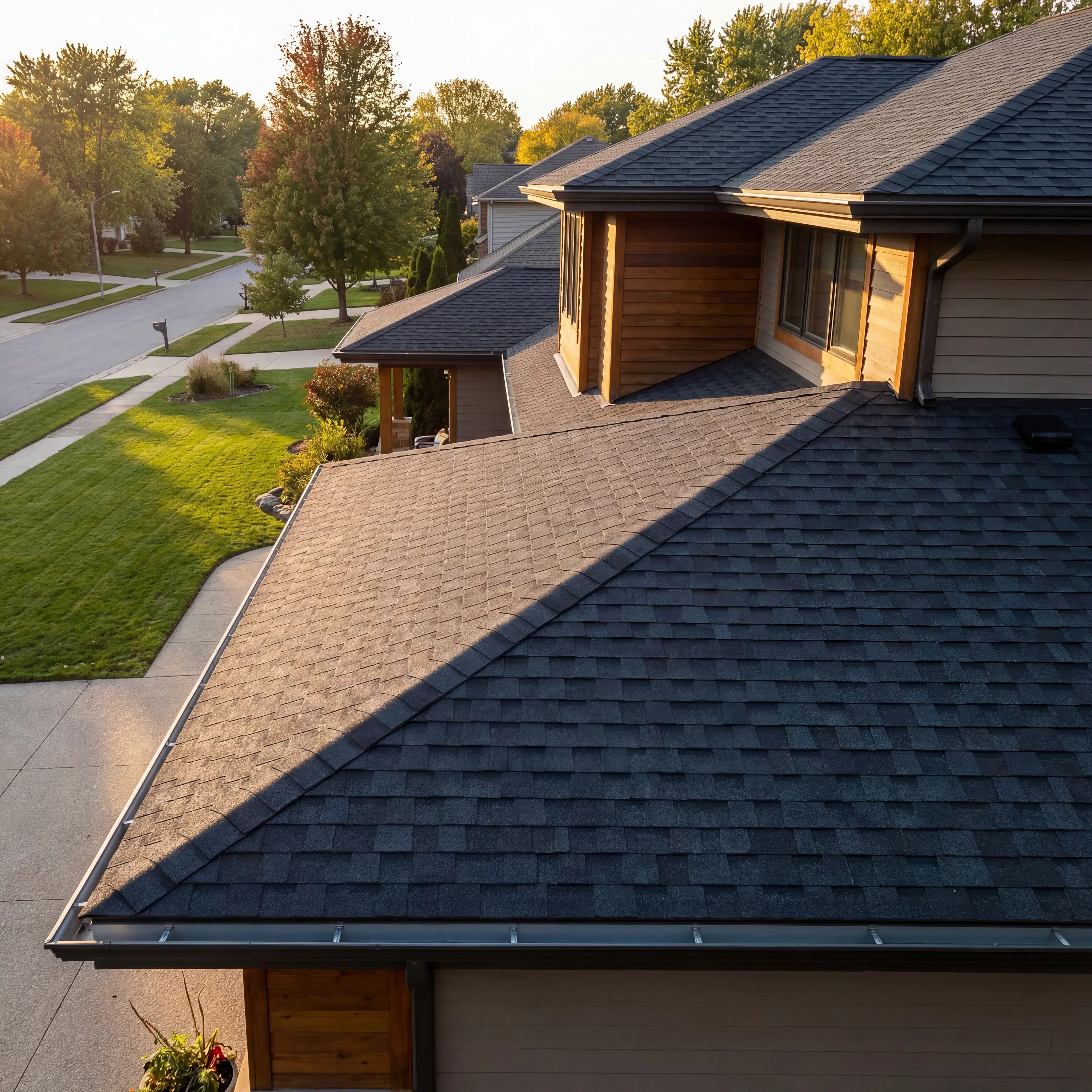
When severe weather strikes Greenville, the influx of out-of-state storm chasers can be overwhelming. These transient contractors often offer low-cost, quick-fix repairs, but they frequently use undersized, standard materials that cannot withstand our regional climate challenges. They might replace your shingles but completely ignore the failing drainage system that caused the water damage in the first place.
Your home is likely your most significant financial asset, and protecting it requires partnering with a local, highly credentialed company that understands the specific demands of our environment. From navigating complex homeowners insurance claims to ensuring strict adherence to residential building codes, you need a contractor with a proven physical presence and a strong local reputation. We prioritize long-term relationships over quick jobs, which is why we offer comprehensive warranties on both materials and labor.
If you are noticing water spilling over your roof edge, finding peeling paint on your fascia boards, or simply want to ensure your home is prepared for the next storm season, it is time for a professional evaluation. Proper gutter installation is not just an aesthetic upgrade; it is a vital defensive layer for your entire property.
Don't wait for a heavy storm to reveal the hidden vulnerabilities along your roof eaves. Contact Anchored Roofing LLC today to schedule a comprehensive, drone-assisted inspection and let our team provide the reliable, high-quality protection your home deserves.