
Identifying and Repairing Damaged Roof Flashing
When we think about our roofs, most of us picture the broad expanses of shingles keeping the elements at bay. However, the most critical components of your roofing system are often the least visible. Roof flashing—the thin pieces of impervious material, usually galvanized steel or aluminum, installed at joints and angles—serves as the primary defense against water intrusion. Here in The Upstate, where the weather can turn on a dime, ensuring your flashing is intact is absolutely essential for protecting your home's structural integrity.
Flashing is placed in areas where the roof plane meets a vertical surface, like a chimney or a dormer, or where two roof slopes intersect, such as a valley. It is also used around features that penetrate the roof deck, including plumbing vents and skylights. Because these transitions are naturally vulnerable to water penetration, flashing acts as a bridge, directing water away from the seams and down toward the gutters. When this system fails, the resulting water damage can be extensive and costly.
Tell-Tale Signs of Failing Flashing
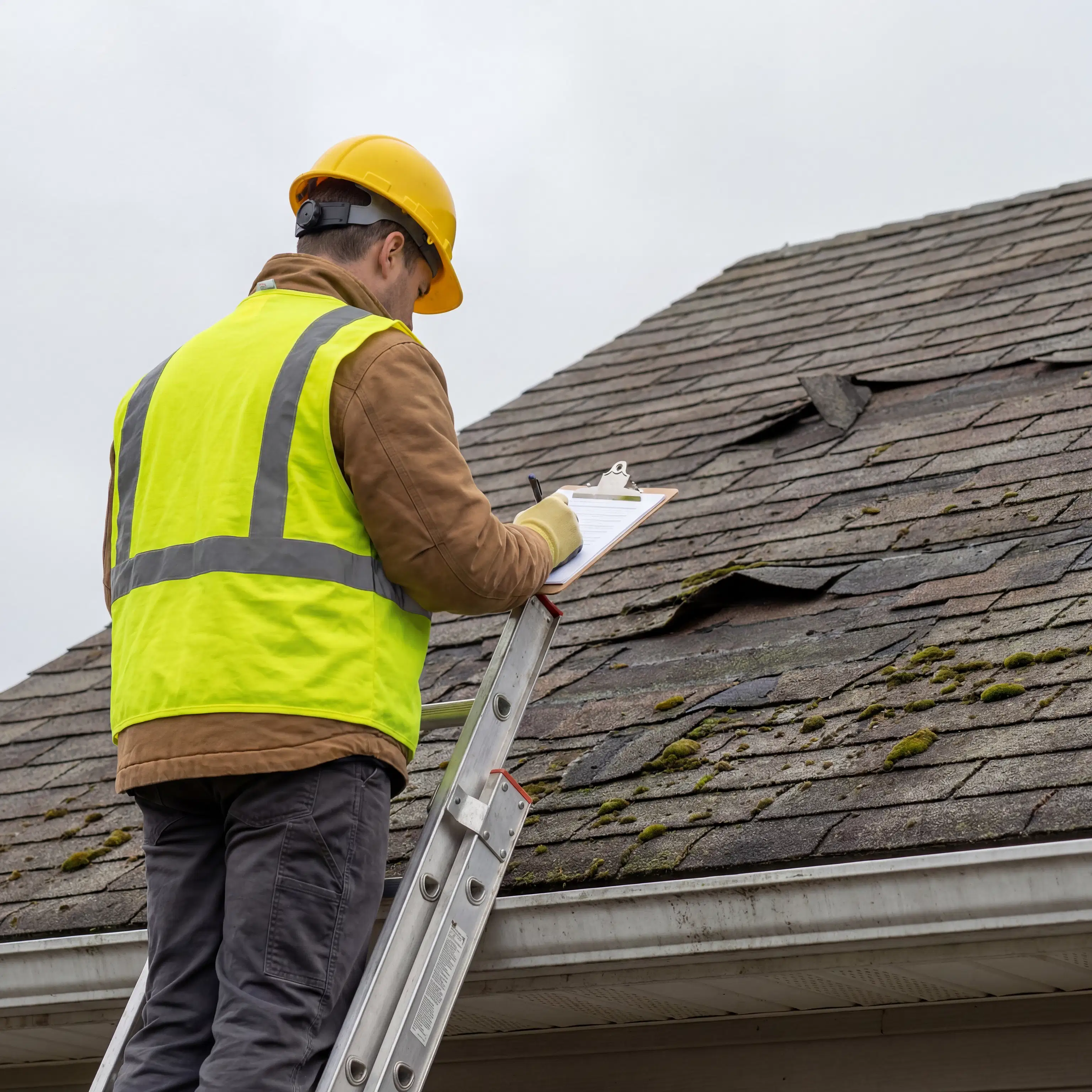
Identifying damaged flashing early can save you from dealing with major interior water damage, rotting wood, and structural issues. Homeowners should safely inspect their roofs from the ground using binoculars, or check their attics for signs of moisture. Here are the most common areas where flashing issues arise and what to look for:
Chimney Flashing Leaks
Chimneys are notoriously tricky to waterproof because they require a two-part flashing system: step flashing that weaves into the shingles, and counter flashing that is embedded into the chimney's mortar joints. Common causes of chimney flashing leaks include deteriorating mortar, shifting of the chimney structure, or sealant that has dried out and cracked under the intense summer sun. If you see water stains on the ceiling around your fireplace, compromised chimney flashing is likely the culprit.
Rusted or Failing Step Flashing
Step flashing is used where a sloped roof meets a vertical wall, such as a dormer. It consists of L-shaped pieces of metal layered with the shingles. Over time, especially in older homes, you might notice signs of rusted or failing step flashing. If the metal has oxidized or if heavy winds have bent the flashing away from the wall, water can easily seep behind the siding and into your home's framing.
Pipe Boot Leaks on Asphalt Roofs
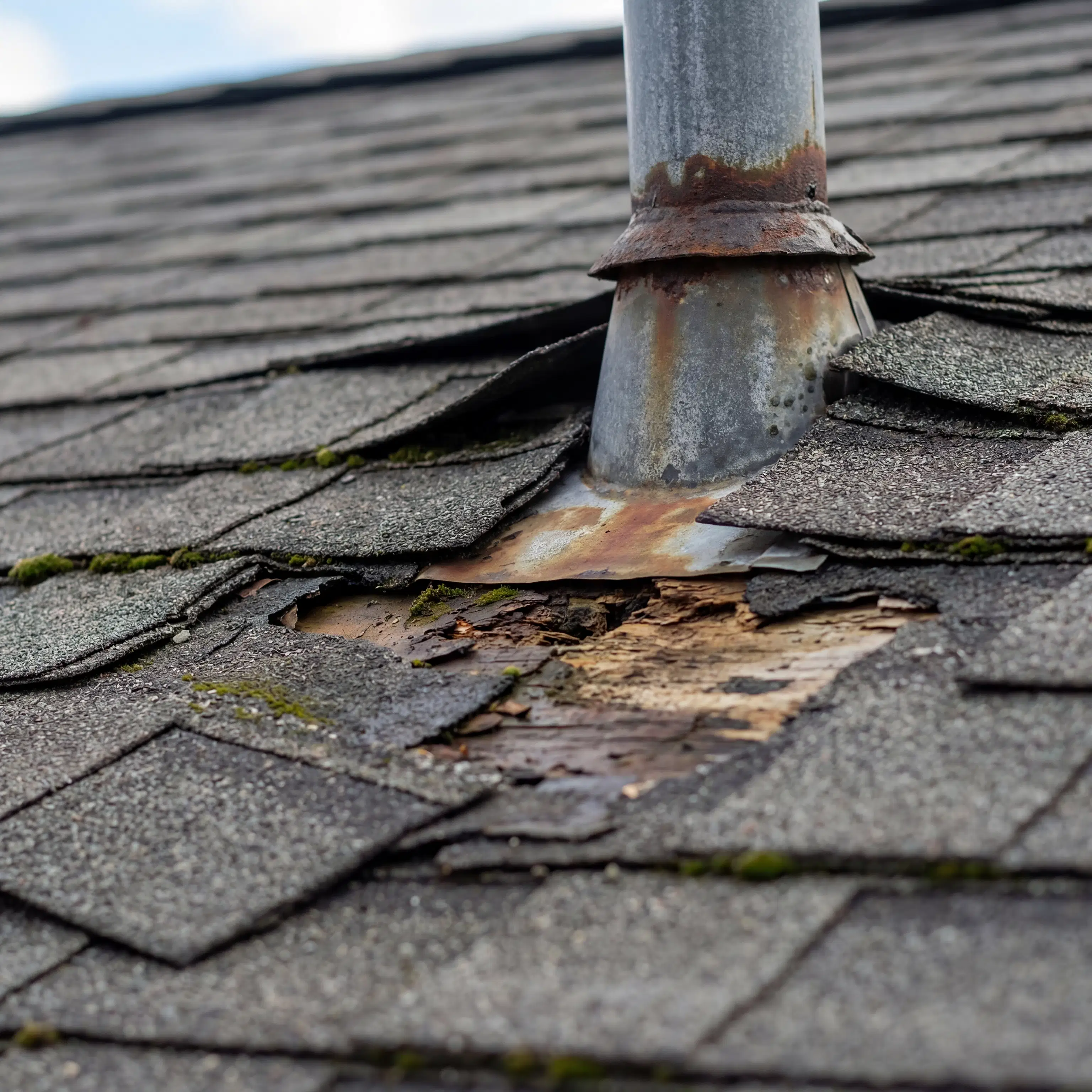
Plumbing vent pipes protruding from your roof are sealed with a special type of flashing called a pipe boot, which typically has a rubber or neoprene collar. Repairing pipe boot leaks on asphalt roofs is one of our most frequent service calls. The constant exposure to UV rays and our local humidity causes the rubber to become brittle, crack, and eventually tear. If you have a leak in a bathroom or kitchen directly below a vent pipe, a cracked pipe boot is almost certainly to blame.
Inspecting Roof Valleys for Damage
The valleys of your roof carry the highest volume of water during heavy rains. Proper installation usually involves laying a metal valley flashing beneath the shingles to channel water safely to the gutters. When figuring out how to inspect roof valleys for damage, look for missing or loose shingles in the V-shaped intersection, exposed metal that appears dented, or accumulations of debris that might be trapping moisture and causing premature deterioration.
Storm Damage vs. Normal Wear and Tear
South Carolina weather presents unique challenges for roofing materials. The combination of intense heat, high humidity, and sudden Pop-up Storms during the warmer months can accelerate the aging process of sealants and exposed metal. But how do you know if your flashing issues are due to normal wear and tear or a recent severe weather event?
Age-related wear typically manifests slowly. You might see rust gradually forming on exposed metal, sealants drying and flaking away, or rubber gaskets cracking over several years. This type of gradual deterioration is generally considered routine maintenance and is not covered by insurance policies.
On the other hand, storm damage happens suddenly. During our severe weather seasons, Hail Damage is a significant concern. Large hailstones can dent metal flashing, compromising its ability to shed water effectively, or completely shatter aging pipe boots. High winds can also pry flashing away from walls and chimneys. If your roof has suffered sudden damage from a storm, your homeowners insurance will typically cover the cost of repairs. We always recommend getting a thorough inspection from a reputable local contractor who can provide a detailed, written estimate and help you navigate the claims process, helping you avoid out-of-state storm chasers who often disappear after the work is done.
The Importance of Professional Flashing Repair
Because flashing is integrated directly into the surrounding roofing materials and siding, repairing it is rarely a DIY job. Attempting to patch a leak with roofing cement or silicone might provide a temporary fix, but it does not address the underlying mechanical failure. Improperly installed flashing can actually trap water, causing hidden rot that is far more expensive to fix down the line.
At Anchored Roofing LLC, we understand the specific building codes and weather demands of our region. Our crews are fully licensed and insured, and we utilize the highest quality materials designed to withstand the harsh Southern climate. Whether you need to replace a single pipe boot or completely reconstruct the flashing around a large masonry chimney, our focus is always on long-term durability and proper water management.
Don't wait for a minor leak to turn into a major interior renovation. If you suspect your flashing is compromised, or if it has been a while since your roof was professionally evaluated, proactive maintenance is the best way to protect your investment. Explore our comprehensive roof repairs to see how we can secure your home against the elements.
Protecting your home starts with a reliable roof over your head. If you have questions about your flashing, suspect storm damage, or simply want the peace of mind that comes with a professional inspection, reach out to Anchored Roofing LLC today. You can contact us to schedule a consultation with our local Greenville team. We are here to provide honest advice, transparent pricing, and the dependable craftsmanship your family deserves.