
Manufacturer Versus Workmanship Roofing Warranties Explained
Replacing the roof over your head is one of the most significant investments you will make as a homeowner. When you are comparing roofing quotes and preparing for such a major project, you want the peace of mind that comes with knowing your investment is fully protected. However, reviewing contract details can often feel overwhelming, especially when trying to decipher the exact difference between manufacturer and workmanship roofing warranties.
If you live in the Upstate, you know that our homes take a beating from intense summer humidity, severe pop-up storms, and occasional hail. It is perfectly natural to ask questions about how your new roof will hold up and who is responsible if something goes wrong. Unfortunately, a lot of homeowners learn the hard way that not all roofing warranties are created equal, especially if they have fallen victim to out-of-town "storm chasers" who disappear the moment the job is done.
At Anchored Roofing LLC, we believe that transparency is the foundation of trust. You deserve to understand exactly what your warranties cover, what might accidentally void them, and why partnering with a highly-rated local contractor is your best defense against unexpected roofing costs down the road. Let's break down everything you need to know about these two distinct types of protection so you can move forward with confidence.
What is a Manufacturer Roofing Warranty?
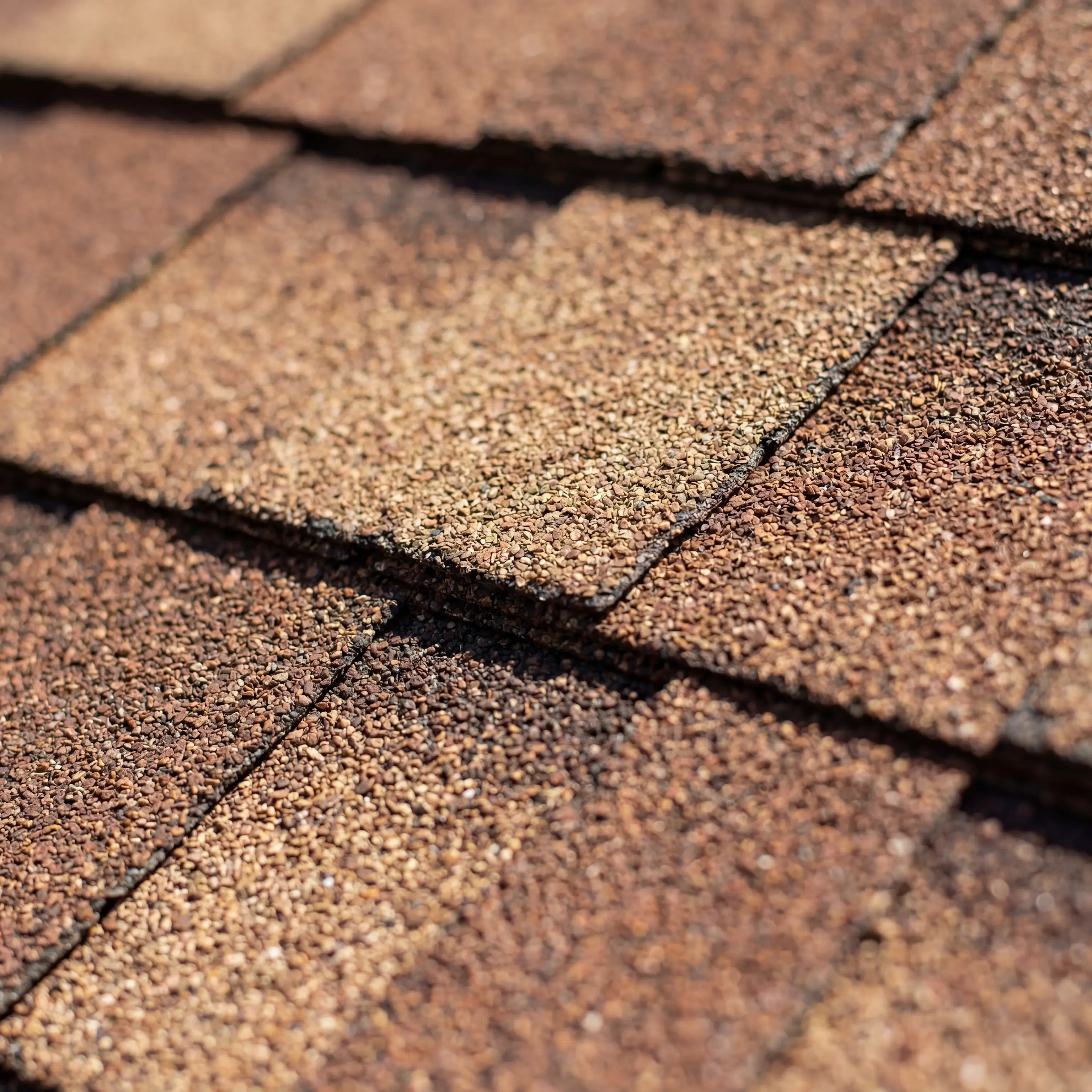
A manufacturer warranty strictly covers the physical materials used on your roof. Major brands like GAF or Owens Corning design their shingles to last for decades, but occasionally, factory defects can cause premature aging, cracking, or granule loss. If your shingles fail because of how they were made, the manufacturer warranty is designed to cover the cost of replacement materials.
Most modern asphalt shingles come with a standard limited lifetime warranty, but the term "lifetime" can be a bit misleading. Typically, these warranties offer full coverage for materials during an initial period (often 10 to 50 years, depending on the tier of the product), after which the coverage is prorated. It is also important to note that a basic manufacturer warranty usually covers the shingles themselves, not the labor required to tear off the defective materials and install the new ones.
What Voids an Asphalt Shingle Manufacturer Warranty?
One of the most common surprises for homeowners is discovering their manufacturer warranty is completely void due to issues completely unrelated to the shingles themselves. Manufacturers have incredibly strict installation guidelines. If a contractor cuts corners, the manufacturer will simply refuse the claim.
Here are the most frequent reasons a manufacturer warranty becomes void:
- Improper Installation: If shingles are nailed too high, too low, or with too few nails, the manufacturer will not honor the warranty. This is why proper new roof installation by licensed professionals is critical.
- Inadequate Attic Ventilation: This is a massive issue in the Greer area. If your attic gets too hot and cannot properly vent moisture, your asphalt shingles will literally bake from the inside out, causing them to blister and curl. Manufacturers require specific ventilation standards to keep the warranty intact.
- Roofing Over Existing Shingles: While it is technically legal in some jurisdictions to nail a new layer of shingles over an old one, most manufacturers highly discourage this. It traps heat, hides underlying decking rot, and almost always voids the warranty of the new shingles.
- Mixing Components: Manufacturers design their products (underlayment, starter strips, ice and water shields, and shingles) to work together as a cohesive system. If a contractor tries to save money by mixing off-brand components with premium shingles, the warranty can be compromised.
Understanding the Contractor Workmanship Warranty
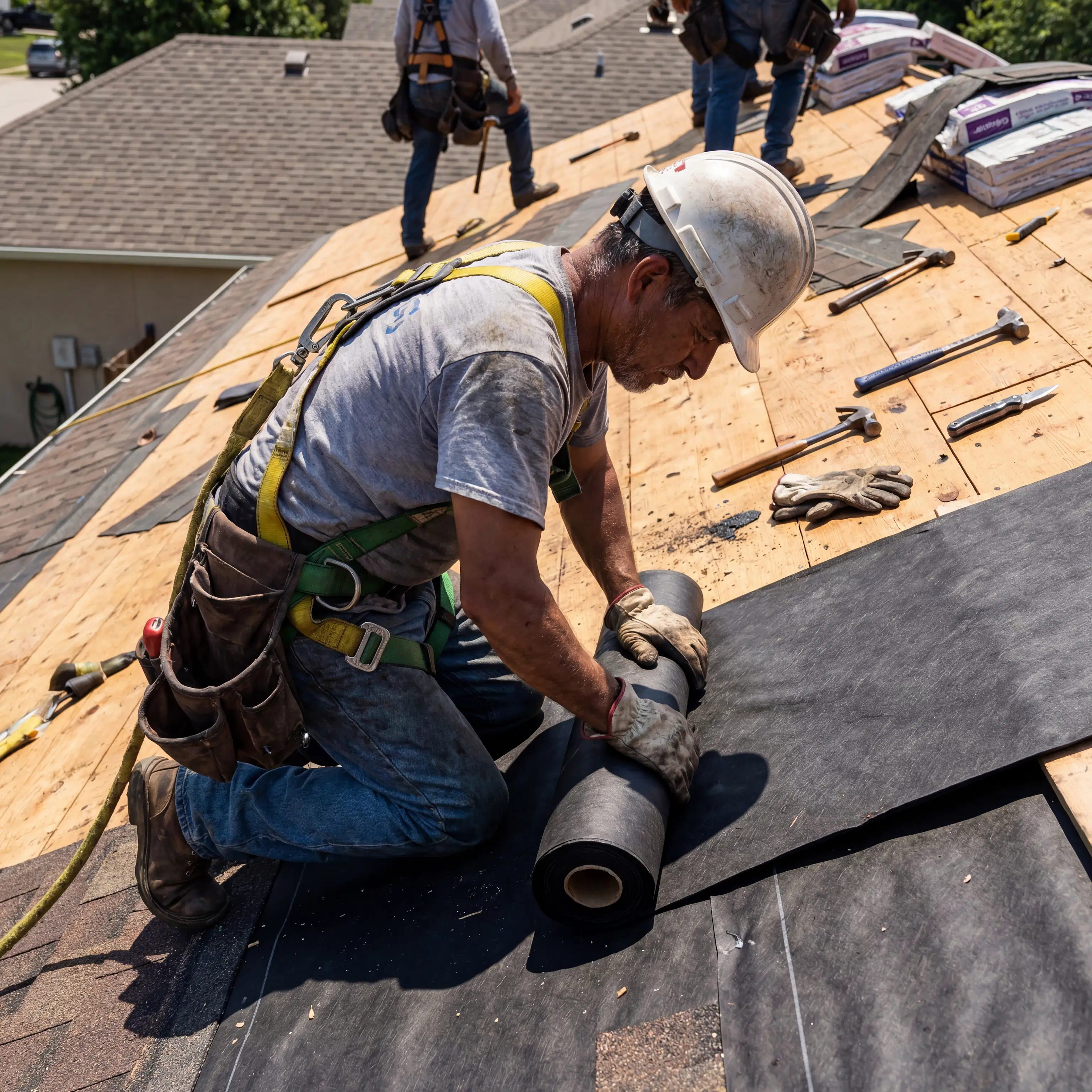
While the manufacturer guarantees the shingles, the contractor workmanship warranty coverage for roof replacement guarantees the labor. This warranty is provided directly by the roofing companies you hire to do the job. It serves as a promise that the installation was performed correctly, adhering to both local building codes and the manufacturer's strict specifications.
If your roof springs a leak a year after installation because a piece of flashing was improperly sealed around your chimney, the manufacturer warranty will not help you—the shingles didn't fail, the installer did. In this scenario, your contractor's workmanship warranty is what covers the necessary roof repairs at no additional cost to you.
The Importance of Hiring Local
The most vital thing to understand about a workmanship warranty is that it is only as reliable as the company offering it. A 10-year workmanship warranty means absolutely nothing if the contractor goes out of business next year or ignores your phone calls.
This is the precise reason homeowners must be incredibly wary of transient "storm chasers" who flood into neighborhoods after a major weather event. They offer cheap, affordable roofing options and promise long warranties, but they pack up and leave the state once the work dries up. When a leak appears months later, that "warranty" is worthless.
Choosing a local, established company for your roof replacement ensures that if an installation issue ever arises, you know exactly who to call. Reputable local businesses live and work in the same community as you do, meaning their reputation is their most valuable asset. They carry proper licensing, bonding, and comprehensive workers' compensation insurance, protecting you from liability while delivering reliable customer service.
Protecting Your Investment for the Long Haul
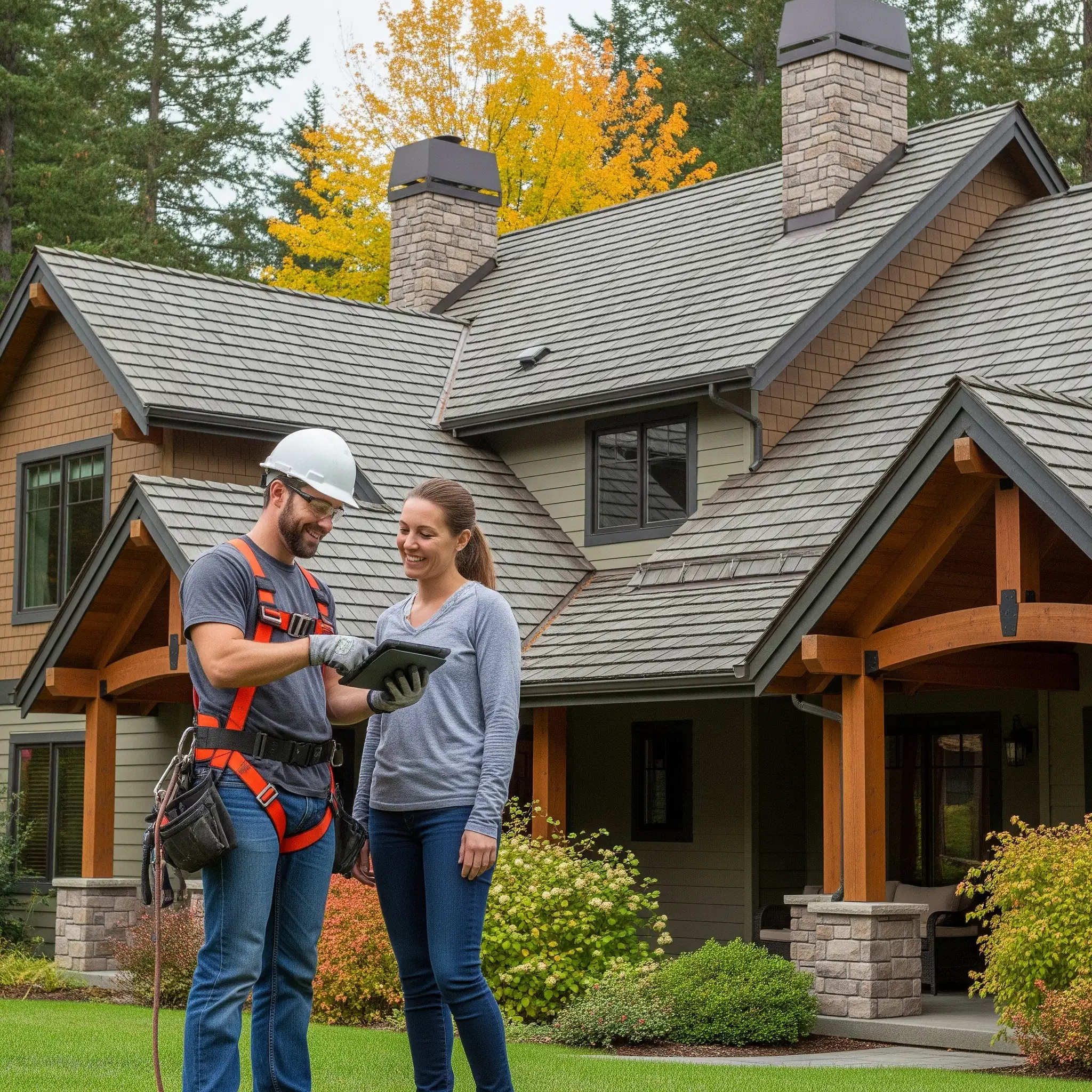
To truly protect your home, you need both a robust manufacturer warranty to guard against defective materials and a solid workmanship warranty to ensure flawless installation. A high-quality roof is a complex system, and every component needs to be handled with expertise.
When evaluating roofing services, always ask potential contractors to explain the exact terms of both warranties. Transparency is a hallmark of a contractor you can trust. Make sure you understand how long the labor is covered, what the manufacturer's prorated period looks like, and what steps the contractor takes to ensure the manufacturer's strict installation guidelines are met to the letter.
If you are noticing signs of wear, dealing with recent storm damage, or simply wondering if it is time for an upgrade, y'all can rely on Anchored Roofing LLC. We pride ourselves on providing the Upstate with exceptional craftsmanship, top-tier materials, and warranties you can actually count on. Reach out to us today to contact us for an honest inspection and a transparent, detailed estimate.