Your Commercial Roof is an Asset, Not an Expense: A Guide to Maximizing ROI
For property managers and business owners, a commercial roof is one of the most significant components of your building's structure. It protects your inventory, equipment, employees, and customers from the elements. Too often, however, it's treated with an "out of sight, out of mind" mentality until a leak appears. This reactive approach can lead to costly emergency repairs, operational downtime, and significant financial strain.
Viewing your roof as a long-term asset to be managed, rather than an expense to be ignored, is the key to maximizing its value and lifespan. A proactive commercial roof maintenance plan is the most effective strategy for protecting this investment, especially here in the Upstate, where our weather can range from intense summer sun to seasonal storm damage. This guide will walk you through how a structured maintenance program can save you money, prevent headaches, and deliver a powerful return on investment.
The Hidden Costs of Neglect
The most expensive roof is the one you have to replace prematurely. Small, undetected issues are the primary cause of early roof failure. A minor puncture in the membrane, a clogged drain, or a deteriorating sealant around a vent might seem insignificant, but over time, they allow water to infiltrate. This can lead to a cascade of problems far more serious than a simple drip:
- Structural Damage: Persistent moisture can saturate insulation, compromise the roof deck, and even weaken the building's structural supports.
- Interior Damage: Water intrusion can ruin drywall, ceiling tiles, and flooring, leading to expensive interior repairs and potential mold growth.
- Safety Hazards: Leaks can create slip hazards for employees and customers and pose a risk to electrical systems.
- Business Interruption: A major roof failure can force you to temporarily shut down operations, resulting in lost revenue and productivity.
Waiting for a problem to announce itself is a gamble. A proactive maintenance plan shifts the focus from costly, reactive repairs to affordable, preventative care, ensuring small issues are addressed before they escalate into budget-breaking emergencies.
The Pillars of an Effective Maintenance Program
A comprehensive commercial roof maintenance plan isn't just a casual walkthrough. It's a systematic process designed to identify and address potential vulnerabilities. A quality program should always include these core components:
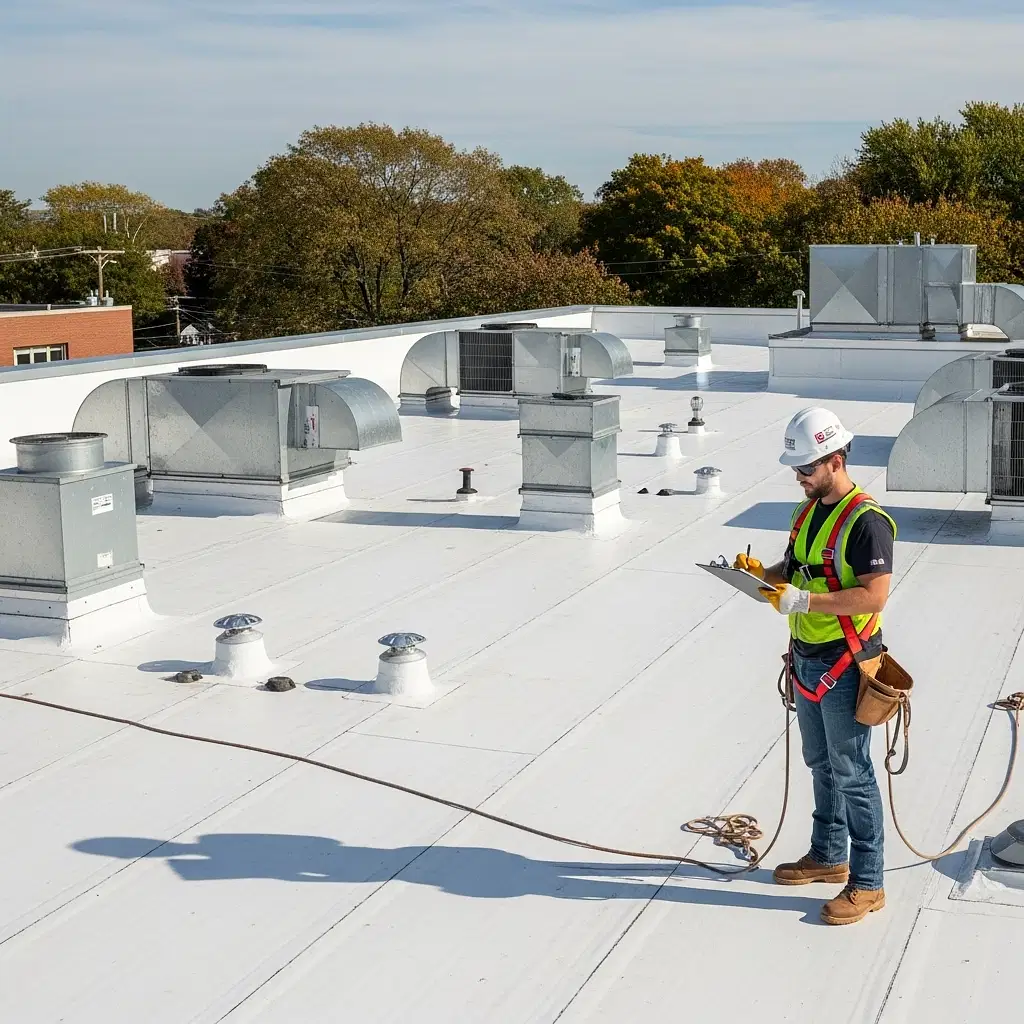
1. Regular, Detailed Inspections: At a minimum, your roof should be professionally inspected twice a year—typically in the spring and fall—and after any significant weather event. These inspections go beyond a simple glance, focusing on critical areas like seams, flashings, drainage systems, and the overall condition of the roof membrane.
2. Debris Removal: Leaves, branches, dirt, and other debris naturally accumulate on a roof. This buildup can clog drains and scuppers, leading to ponding water—a primary enemy of flat roofing systems. Ponding water adds immense weight and accelerates the deterioration of roofing materials.
3. Proactive Minor Repairs: During an inspection, a technician might find small punctures, open seams, or failing sealant. Addressing these issues on the spot is a simple, low-cost fix that prevents water from ever getting a chance to penetrate the roofing system.
4. Comprehensive Documentation: A professional roofing partner will provide detailed reports after each inspection, complete with photos and notes. This documentation is invaluable for budgeting future capital expenditures and is often required to keep your manufacturer's warranty in good standing.
Don't Forget What's Underneath: The Importance of Ventilation
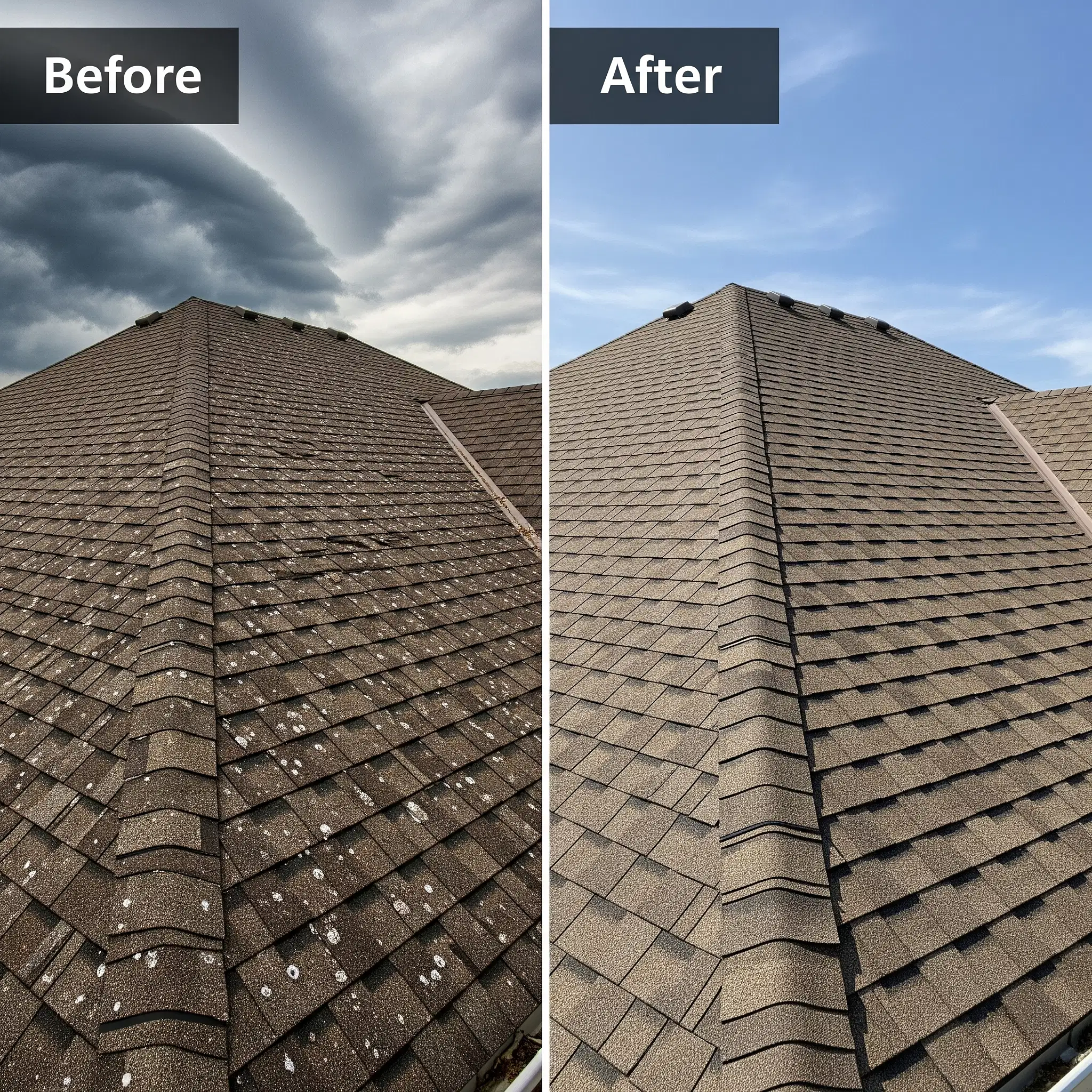
While the roof membrane gets most of the attention, the space beneath it plays a crucial role in the system's overall health and longevity. Proper attic and building ventilation is essential for regulating temperature and moisture levels. In the summer, trapped heat can literally cook roofing materials from below, causing them to become brittle and age prematurely. In the winter, warm, moist air from inside the building can condense on the underside of a cold roof deck, leading to rot and mold.
An effective maintenance plan should include an assessment of your building's ventilation to ensure it's functioning correctly. Improving airflow is a cost-effective way to lower your energy bills, extend the life of your roof, and create a healthier indoor environment.
From Maintenance to Replacement: A Smarter Approach
No roof lasts forever. However, a consistent maintenance history is the best tool for extending its service life as long as possible, allowing you to delay the significant capital expense of a full roof replacement. Furthermore, the detailed reports from your maintenance inspections provide a clear, data-driven timeline for when a replacement will be necessary. This allows you to plan and budget for the project years in advance, avoiding the financial shock and operational chaos of an unexpected, catastrophic failure.
By investing a small amount in proactive care, you gain control over your asset, ensuring you get the maximum possible service life from your current roof and are fully prepared for its eventual replacement.
Protect Your Investment with Anchored Roofing
Your commercial roof is a critical asset that protects your entire business. A proactive maintenance plan is the most intelligent and cost-effective way to manage that asset, preventing costly surprises, extending its lifespan, and ensuring peace of mind. Don't wait for a drip to tell you there's a problem.
If you're a property manager or business owner in the Greenville area, let the experts at Anchored Roofing LLC help you design a commercial roof maintenance program tailored to your building's specific needs. Contact us today to schedule a comprehensive inspection and take the first step toward protecting your investment.