
Your Guide to Essential Gutter Maintenance in the Upstate
As homeowners in the Greenville area, we’re no strangers to heavy spring rains and sudden summer thunderstorms. While we focus on keeping our roofs in top shape, it’s easy to overlook the unsung heroes of our home’s exterior: the gutters. A properly functioning gutter system is your first line of defense against a host of expensive problems, channeling thousands of gallons of water away from your home’s foundation, siding, and landscaping. Neglecting them is a risk that can lead to significant water damage and costly repairs down the line.
Think of your gutters as a critical part of your complete roofing system. Keeping them clean and well-maintained is one of the most effective ways to protect your entire home. In this guide, we’ll walk you through the essential maintenance steps to keep your Upstate gutter system working flawlessly, what warning signs to look for, and when it’s time to call in the professionals.
Why Gutter Health is Crucial for Your South Carolina Home
Clogged or damaged gutters aren't just an eyesore; they're a serious threat to your home's structural integrity. When leaves, pine needles, and other debris build up, they create blockages that prevent water from flowing freely. Here in the Upstate, where we can get significant rainfall, this overflow can cause a cascade of problems:
- Roof Damage: Water that can't drain will back up onto your roof, seeping under shingles and potentially rotting the underlying wood decking. This can lead to leaks in your attic and ceilings, requiring extensive roof repairs.
- Foundation Issues: When water spills over the sides of your gutters, it pools directly around your foundation. Over time, this can cause soil erosion, cracks in the foundation, and even basement flooding—a far more complex and expensive problem to fix.
- Siding and Fascia Damage: Persistent overflow can stain and damage your home's siding. The fascia boards, where the gutters are mounted, are especially vulnerable to rot and decay from constant moisture exposure.
- Pest Infestations: The standing water and damp debris in clogged gutters create a perfect breeding ground for mosquitoes, termites, and other pests that you definitely don't want around your home.
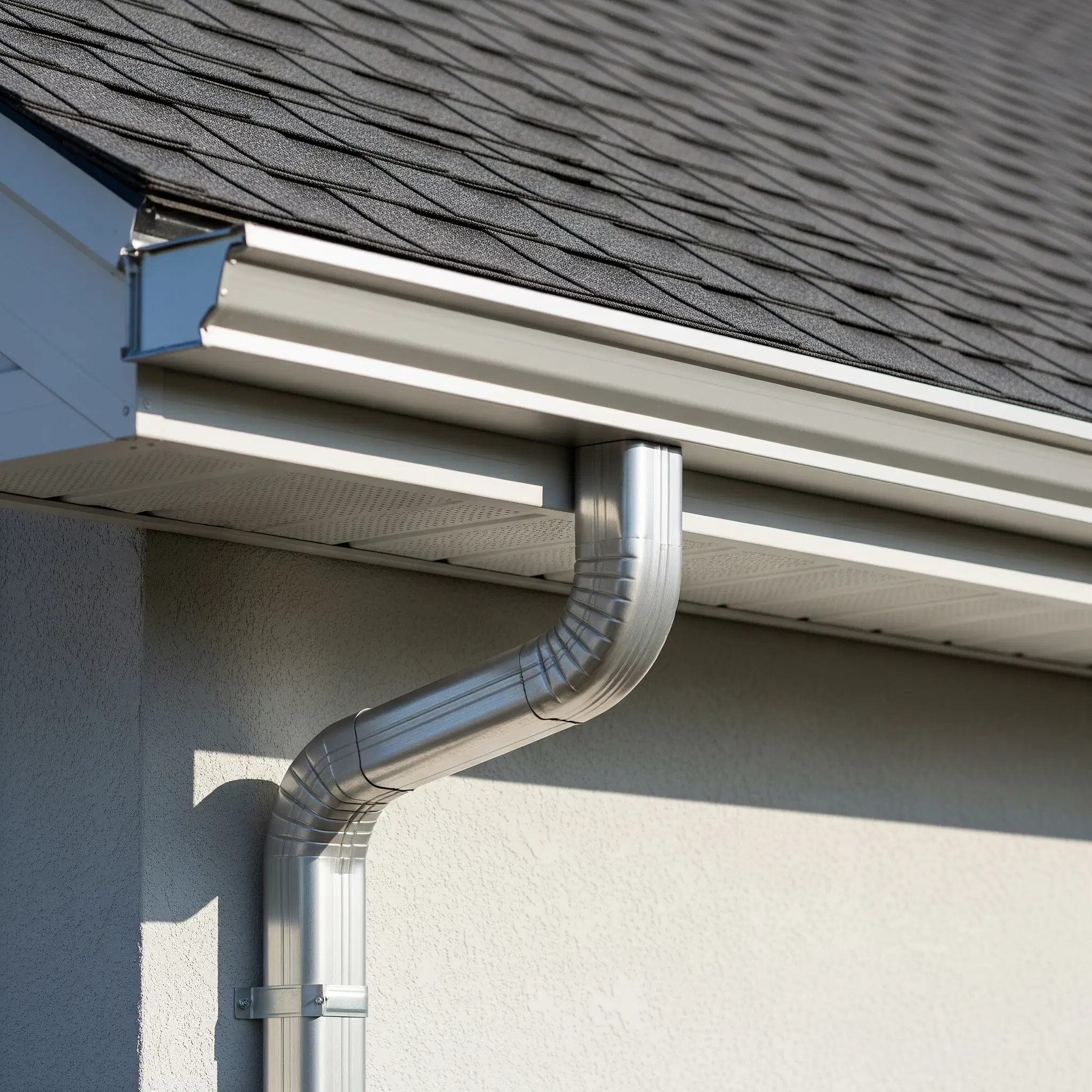
A Homeowner's Seasonal Gutter Checklist
Consistent maintenance is the key to preventing major issues. By checking on your gutters a few times a year, you can catch small problems before they become big ones. Here’s a simple seasonal schedule to follow:
1. Early Spring (Post-Pollen): After the winter winds and spring pollen storms have passed, it's time for a thorough cleaning. Clear out any leaves, twigs, and shingle grit that have accumulated. This ensures your gutters are ready for the heavy spring rains and the start of hail season.
2. Mid-Summer: Inspect your gutters after major summer thunderstorms. High winds can deposit fresh leaves and branches into your system, creating unexpected clogs. A quick check ensures everything is still flowing smoothly.
3. Late Fall (After Leaves Drop): This is arguably the most important cleaning of the year. Removing all the fallen autumn leaves prevents them from sitting and decomposing in your gutters all winter, which can lead to clogs and ice dams if temperatures drop.
4. Winter Check-Up: A quick visual inspection during a mild winter day can help you spot any sagging, loose sections, or blockages before the spring thaw brings more rain.
Warning Signs: When Your Gutters Need Professional Help
Sometimes, a simple cleaning isn't enough. Your gutter system works hard, and over time, it will show signs of wear and tear. If you notice any of the following issues, it’s a strong indicator that you need a professional inspection and potentially a repair or replacement.
- Sagging or Pulling Away: If your gutters are drooping or have pulled away from the house, the hangers may be failing or the gutter itself is weighed down by heavy, waterlogged debris. This prevents proper drainage and puts stress on your roofline.
- Cracks, Holes, or Rust: Visible damage like cracks or rust spots means your gutters are no longer watertight and are failing to do their job. Small holes can quickly become large problems.
- Peeling Paint or Water Stains: Look for peeling paint or dark stains on your siding, fascia boards, or under the eaves. This is a tell-tale sign that water is consistently overflowing.
- Pooling Water or Eroded Landscaping: If you see puddles of water or channels of eroded soil near your foundation after it rains, your downspouts are likely clogged or not directing water far enough away from the house.
Ignoring these signs can lead to more severe structural damage. A professional can assess whether a simple repair will suffice or if a new gutter installation is the best long-term solution to protect your home.

Protect Your Investment with Anchored Roofing
Your home is your most significant investment, and a functional gutter system is essential to protecting it. While DIY cleaning is possible, it can be risky, especially on multi-story homes. Our team at Anchored Roofing has the training, safety equipment, and expertise to handle everything from routine maintenance to comprehensive repairs and full system installations.
We don't just clean your gutters; we inspect the entire system, including your roofline and downspouts, to ensure everything is working together to safeguard your home. If we spot an issue, we’ll provide you with a clear, transparent explanation and a detailed estimate for any necessary work.
Don’t wait for a drip to turn into a disaster. If you’re concerned about your gutters or are fixin' to upgrade your system, contact the trusted local experts. Reach out to Anchored Roofing today for a free inspection and let us provide the peace of mind that comes with a well-maintained home here in the Greenville area. Contact us online or give us a call to get started!