Your Guide to Preventing Algae and Mold on an Upstate Roof
Living in the Upstate of South Carolina means enjoying beautiful, lush green landscapes. Unfortunately, that same environment can sometimes lead to unwanted green and black growth on your roof. Have you noticed ugly black streaks staining your shingles? You're not alone. This common issue affects many homeowners in the Greenville area, and it's more than just an eyesore—it can be a sign of underlying issues that impact your roof's health and longevity.
Those streaks are caused by a type of algae that thrives in our warm, humid climate. While it might seem like a simple cosmetic problem, ignoring it can lead to more significant damage over time. In this guide, we'll break down what causes this growth, how you can prevent it, and the safest ways to deal with it, ensuring your roof remains a strong, protective asset for your home.
What Exactly Are Those Black Streaks?
The culprit behind most of the black streaks you see on roofs across The Upstate is a blue-green algae called Gloeocapsa magma. It travels through the air and settles on surfaces, and it has found a particular food source in the limestone filler used in many asphalt shingles. Once it takes hold, it develops a dark, hardened outer layer to protect itself from the sun's UV rays, creating the signature streaks.
Our region's famous humidity provides the perfect moist environment for this algae to thrive. You'll often see it appear first on the north-facing side of a roof, which receives less direct sunlight and stays damp longer after our common pop-up storms.
While algae itself doesn't "eat" your roof, it's the first step in a potentially damaging cycle. Its presence creates a foundation for other organisms:
- Moss: Unlike algae, moss can retain significant moisture and its root-like structures can lift and curl shingles, making them vulnerable to wind and water intrusion.
- Lichen: This is a combination of algae and fungus that can be very difficult to remove and can cause shingle granules to flake off.
Losing these protective granules exposes the underlying asphalt to the elements, which accelerates the aging process of your roof and reduces its ability to reflect heat. What starts as a curb appeal issue can slowly compromise the long-term durability of your entire roofing system.
Proactive Prevention: Keeping Your Roof Healthy from the Start
The best way to deal with algae and mold is to create an environment where it can't grow in the first place. A few proactive steps can save you headaches and money down the road, extending the life of your roof and keeping it looking its best.
-
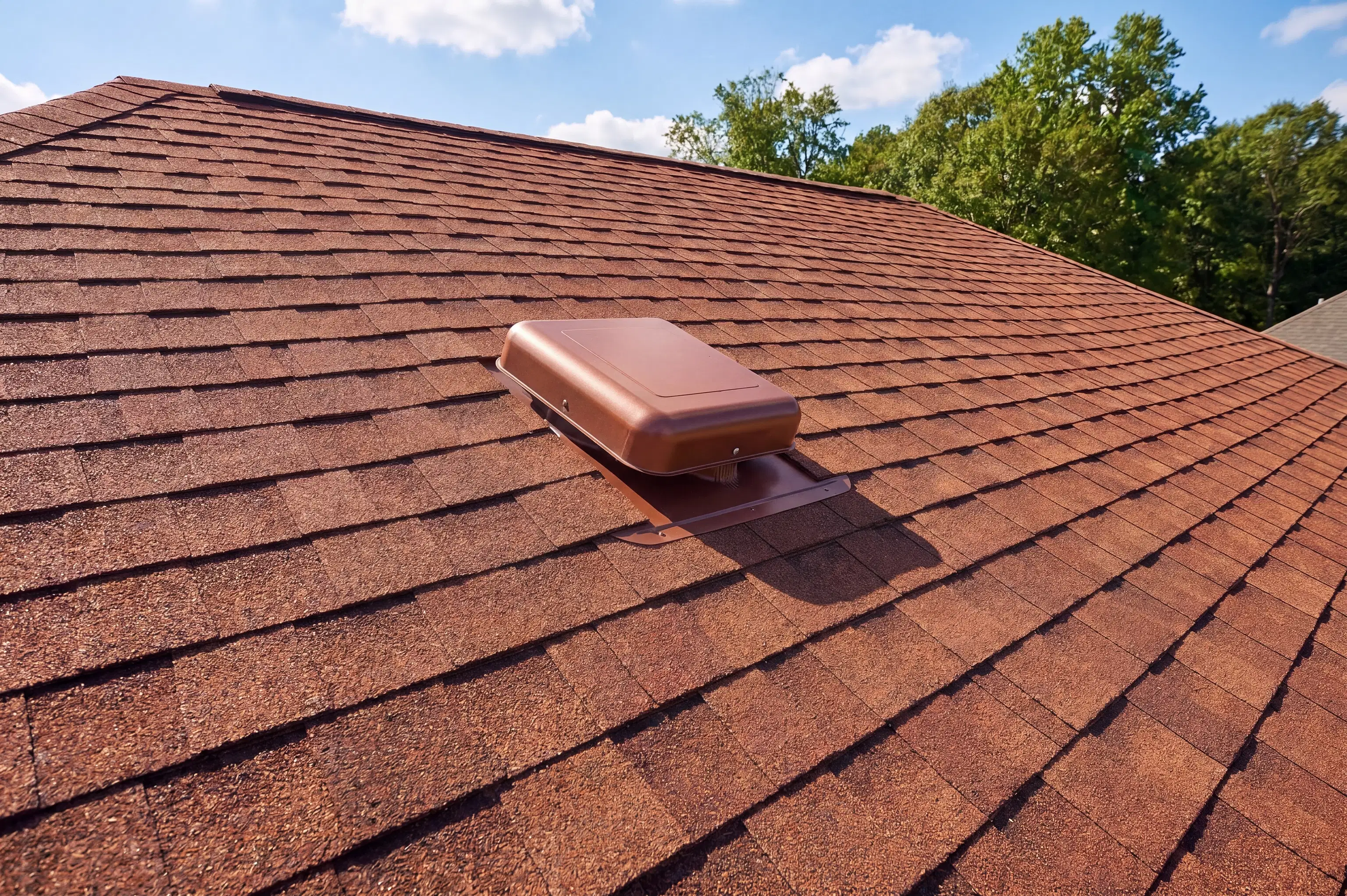
Ensure Proper Attic Ventilation: This is one of the most critical and often overlooked aspects of roof health. A poorly ventilated attic traps heat and moisture, creating a warm, damp roof deck that is a perfect breeding ground for algae. An effective attic ventilation system helps regulate temperature and moisture levels, keeping the roof surface drier and less hospitable to growth.
-
Keep Trees Trimmed: Overhanging tree limbs cast shade and drop organic debris on your roof. This not only blocks the sun needed to dry your shingles but also provides another food source for mold and algae. Pruning branches to allow for more sunlight and airflow can make a significant difference.
-
Maintain Clean Gutters: Clogged gutters trap water and debris, creating a line of constant moisture right at your roof's edge. This dampness can easily wick up onto the shingles, encouraging algae to take hold. Regular gutter cleaning is essential maintenance.
-
Choose Algae-Resistant Shingles: If you're considering a roof replacement, ask about modern architectural shingles with algae-resistant (AR) technology. These shingles are manufactured with copper granules mixed in, which are slowly released over time with rainfall. Copper is a natural algaecide and can prevent streaks from forming for a decade or more.
How to Safely Remove Existing Algae and Mold
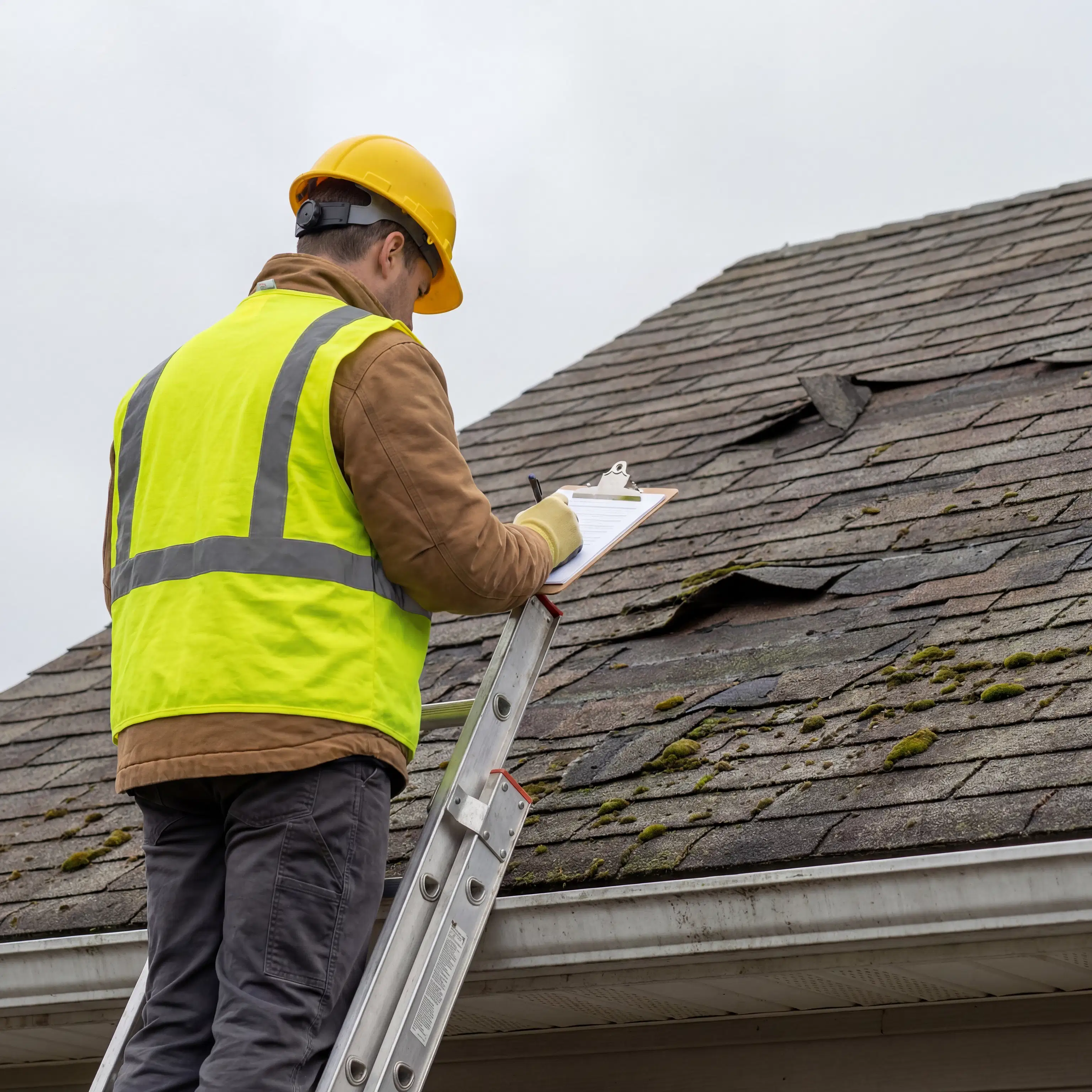
If your roof already has visible streaks or moss, your first instinct might be to get out a pressure washer. Please don't. High-pressure washing is one of the worst things you can do to an asphalt shingle roof. It can blast off the protective granules, severely shortening the roof's lifespan and potentially voiding its warranty. It's also extremely dangerous to work on a wet, slippery roof without proper safety equipment.
The correct method is professional soft washing. This process uses specialized, eco-friendly cleaning solutions applied at a very low pressure (often no more than a garden hose) to kill the algae and mold at its root. The solution is left to dwell before being gently rinsed away, cleaning the shingles without causing any damage.
However, cleaning isn't always the right answer. If your roof is over 15 years old and showing other signs of wear—such as curling shingles, excessive granule loss in the gutters, or known leaks—the algae may be a symptom of a roof that is nearing the end of its service life. In these cases, investing in a cleaning service may not be cost-effective. A professional inspection can determine if targeted roof repairs are sufficient or if it's time to start planning for a replacement that will provide long-term peace of mind.
Protect Your Home's Biggest Asset with Anchored Roofing
Your roof is your home's first line of defense against the elements. Here in The Upstate, that includes the persistent humidity that encourages algae and mold growth. By understanding the causes and taking proactive steps, you can protect your investment and maintain your home's curb appeal.
Don't let black streaks diminish your home's value or compromise your roof's integrity. Whether you need a professional assessment, an expert opinion on ventilation, or a long-term solution, the team at Anchored Roofing is here to help. We provide honest assessments and quality craftsmanship to protect your Greenville home.
Contact us today for a free, no-obligation inspection to learn the best way to care for your roof.