
Your Homeowner's Guide to Upstate Hail Season
Here in the Upstate, we love our vibrant seasons, but we also know that spring and summer can bring some powerful weather. A sudden hailstorm can pass in minutes, but the damage it leaves behind on your roof can cause problems for years to come. Many homeowners in the Greenville area aren't sure what to look for after a storm, or whether the dings and dents they see are just cosmetic. Ignoring hail damage, however, can lead to serious issues like water leaks, reduced energy efficiency, and a shortened lifespan for your roof.
Protecting your home starts with knowing what to look for and what to do when a storm hits. This guide will walk you through how to identify hail damage, the immediate steps you should take after a storm, and why calling a trusted, local professional is the most important step of all.
Identifying Hail Damage: What to Look For
After a hailstorm, it’s tempting to think that if you don’t see a gaping hole, everything is fine. Unfortunately, the most common types of hail damage are subtle and can be easily missed by an untrained eye. When hail strikes your roof, it does more than just leave a mark; it compromises the integrity of your shingles and underlayment.
Here’s what to look for from a safe vantage point on the ground:
- Dents on Gutters and Downspouts: Your metal gutters, downspouts, and roof vents are often the most obvious indicators of hail. If they are dented, there's a high probability your shingles are damaged as well.
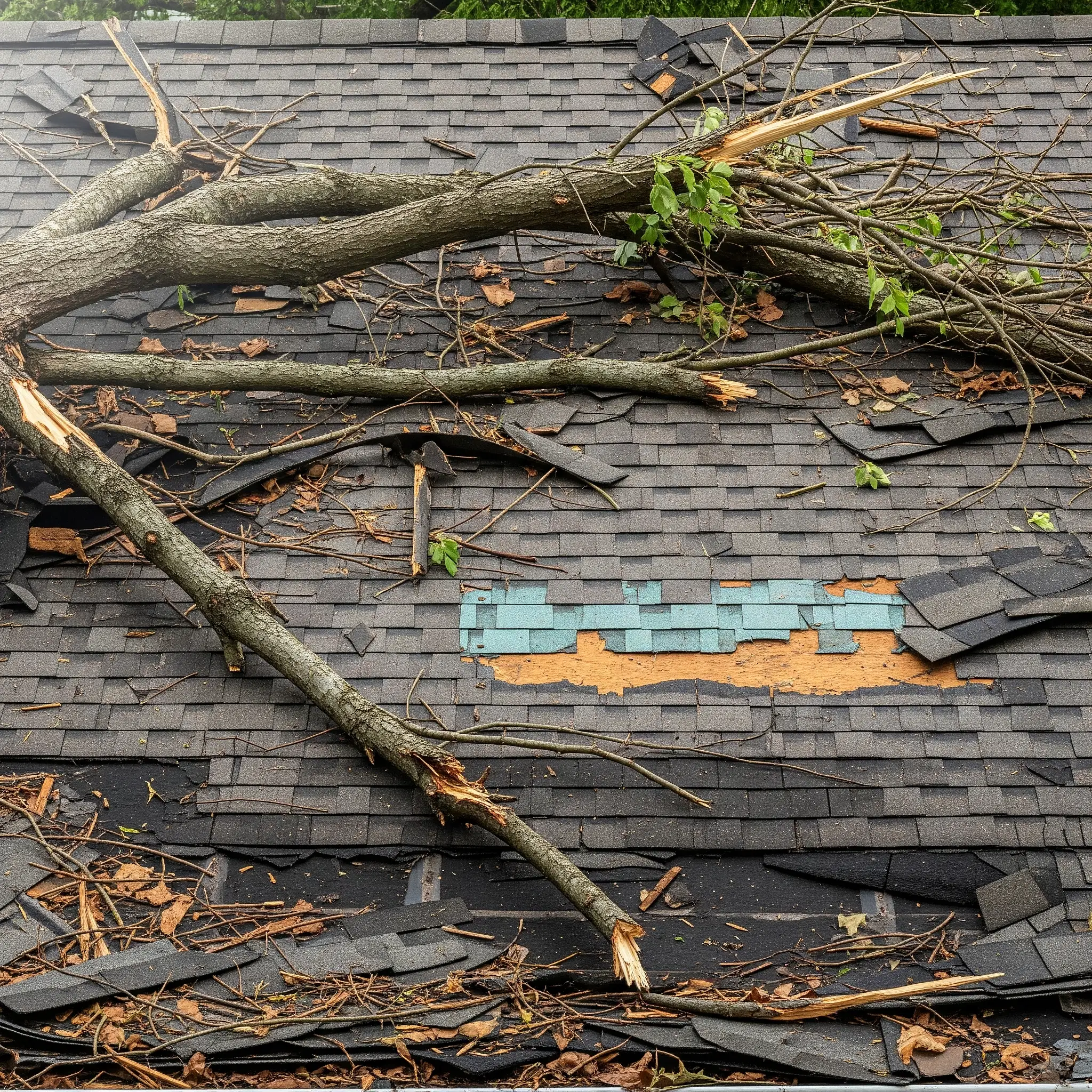
- Missing Asphalt Granules: On asphalt shingles, hail impact can knock off the protective granules, leaving dark, exposed spots. These granules are your roof's first line of defense against UV rays and water. Once they're gone, the shingle deteriorates much faster.
- Bruising or Soft Spots: Hail can create “bruises” on asphalt shingles that feel soft to the touch, almost like a bruised apple. This indicates the shingle mat underneath has been fractured, creating a potential entry point for water.
- Cracked or Chipped Shingles: Larger hailstones can cause visible cracks, chips, or tears in shingles, especially on older or more brittle roofs. This type of damage requires immediate attention.
Ignoring these signs can turn a simple repair into a major problem, leading to leaks that damage your attic, insulation, and even the structural integrity of your home. A professional inspection is the only way to be certain about the extent of the damage.
Your Action Plan: 4 Steps to Take Immediately After a Storm
The moments after a storm can feel overwhelming. Knowing what to do can protect your home from further damage and streamline the repair process. Follow these steps to stay safe and proactive.
- Safety First: Never climb on your roof, especially when it's wet or damaged. It's incredibly dangerous. Conduct your initial inspection from the ground with binoculars or from a second-story window if possible.
- Document Everything: Before you move anything or make any temporary fixes, take photos and videos. Capture images of any visible damage to your roof, gutters, siding, and windows. If you can do so safely, take a picture of the hailstones next to a ruler or coin to show their size.
- Check for Interior Leaks: Head inside and check your attic and ceilings for any signs of water stains, discoloration, or active drips. A leak might not appear for hours or even days after a storm, so be vigilant.
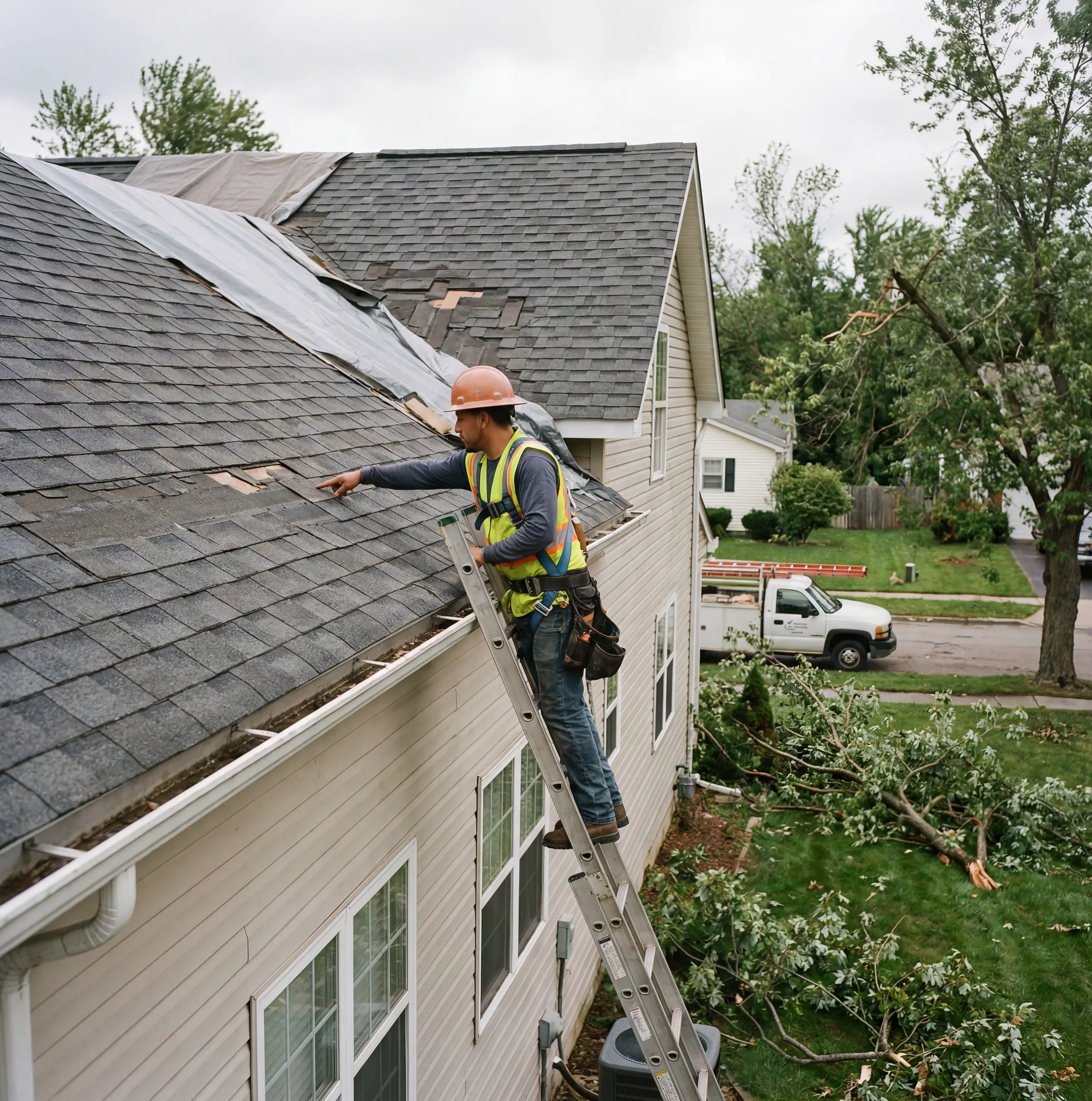
- Call a Trusted Local Roofer: This is the most critical step. Before you even call your insurance company, get a professional assessment from a reputable local roofing contractor. They can provide an accurate damage report, help you understand your options, and prevent you from falling victim to the out-of-town “storm chasers” who often appear after severe weather. A professional inspection provides the credible documentation you'll need for an insurance claim.
Navigating Repairs, Replacements, and Insurance
Once a professional has confirmed hail damage, you'll face one of two scenarios: targeted roof repairs or a full roof replacement. An honest contractor will explain the pros and cons of each based on the age of your roof and the extent of the damage. Widespread, significant damage often makes a full replacement the more cost-effective and reliable long-term solution.
Many homeowners worry about the insurance process, but a good local roofer can be your strongest advocate. They can meet with the insurance adjuster on-site to point out damage and ensure nothing is overlooked. This professional collaboration helps ensure your claim is handled fairly and accurately, covering all necessary work.
Don't forget that hail can also wreak havoc on your gutter system. Dented or clogged gutters can't properly direct water away from your home's foundation. During your roof inspection, we can also assess your gutters and recommend repairs or a new gutter installation to ensure your entire roofing system is working together to protect your home.
Protect Your Home with a Partner You Can Trust
Hail season in the Upstate is a fact of life, but living with a damaged roof doesn't have to be. By knowing how to spot the signs of damage, taking swift action, and partnering with a reliable expert, you can protect your most valuable asset. Don't let small impacts turn into major headaches. Be proactive and ensure your roof is ready to handle whatever the next storm brings.
If you suspect your home has sustained hail damage, don't wait for a leak to appear. Contact Anchored Roofing today for a free, no-obligation inspection. Our team of experienced professionals is here to provide honest assessments and high-quality solutions for everything from minor roof repairs to complete roof replacement and gutter installation right here in the Greenville community. Let us give you the peace of mind you deserve.