
Your Homeowner's Guide to Upstate Roofing Permits & Building Codes
Getting a new roof is a significant investment in your home's safety and value. While choosing the right shingles and color is exciting, there's a crucial behind-the-scenes step that ensures your investment is sound: navigating local building codes and permits. For many homeowners in the Greenville area, this part of the process can feel confusing or overwhelming. What's required? Why does it matter?
This guide will demystify the world of roofing regulations in The Upstate. We'll explain why these rules exist, what they mean for your project, and how working with a knowledgeable, local contractor makes the entire process seamless. Understanding these requirements is the first step toward a secure, compliant, and long-lasting roof that truly protects your family.
Do I Need a Permit for a Roof Replacement in Greenville County?
This is one of the most common questions we hear, and the answer is straightforward: Yes, in almost all cases, a permit is required for a full roof replacement in Greenville County and surrounding municipalities. If you are tearing off the old roofing material down to the deck and installing a new system, you will need a permit.
Why is this necessary? A permit isn't just bureaucratic red tape; it's a fundamental protection for you, the homeowner. It ensures that:
- The work is done to code: The permit process triggers inspections from a county official who verifies that the installation meets current safety and durability standards.
- Your contractor is accountable: Only licensed and insured contractors can pull permits. This automatically filters out unqualified handymen or the out-of-state 'storm chasers' that often appear after severe weather and may cut corners.
- Your investment is protected: A properly permitted and inspected roof is crucial for insurance purposes and for your home's resale value. It provides official documentation that the work was completed correctly.
While minor repairs may not require a permit, a complete roof replacement is a structural project that demands oversight. A reputable contractor will insist on pulling a permit and will manage the entire process for you.
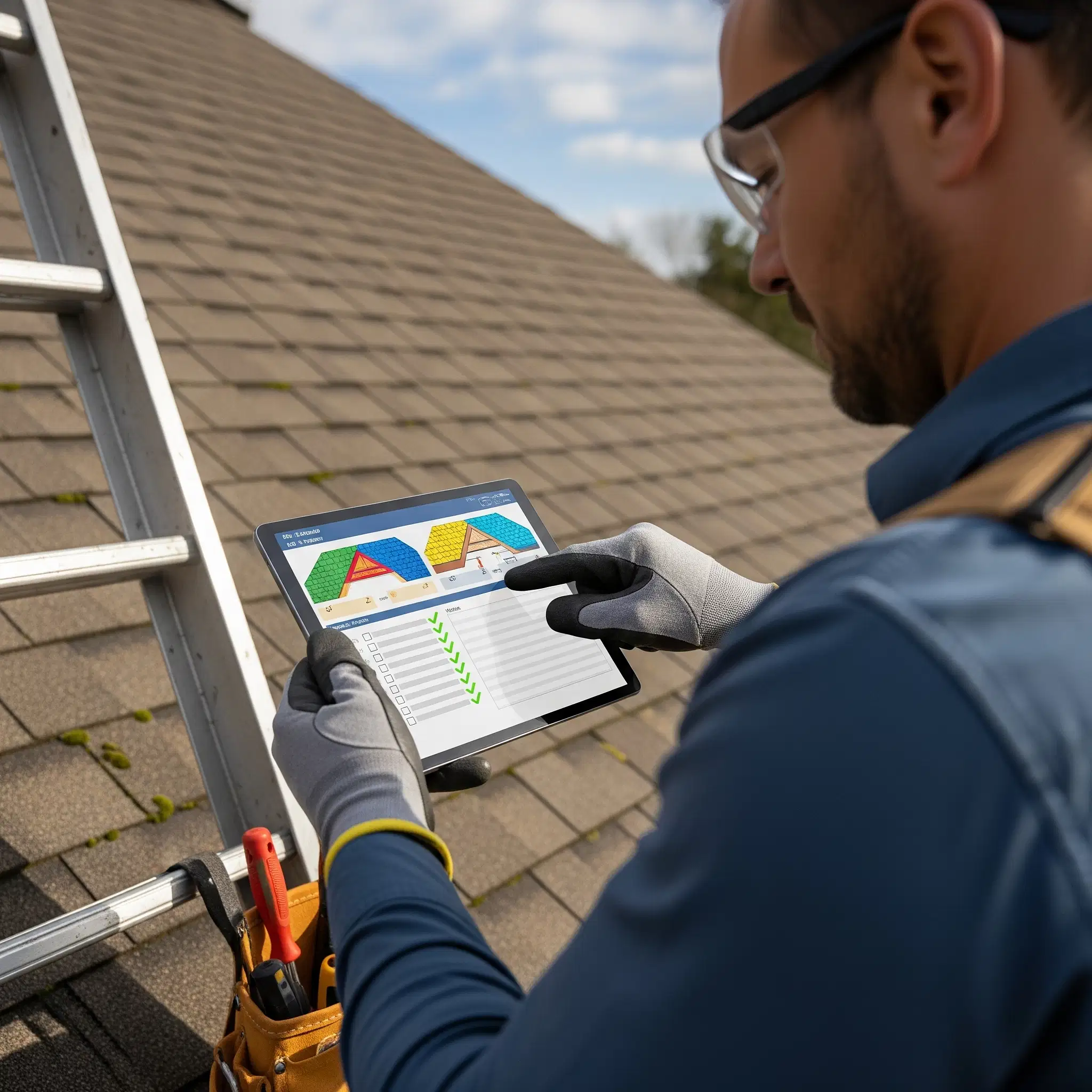
Key South Carolina Roofing Codes That Protect Your Home
Building codes are updated periodically to reflect new materials and to address regional weather challenges. Here in The Upstate, codes are particularly focused on protecting homes from high winds and the intense humidity we experience.
While the full codebook is extensive, here are a few key requirements that a professional roofer will follow:
- Enhanced Wind Resistance: After a series of strong storms, South Carolina has adopted stricter codes for how shingles are fastened. This often means a specific nailing pattern (typically six nails per shingle in high-wind zones) to prevent shingles from blowing off during one of our notorious pop-up storms.
- Ice and Water Shield: In valleys and around penetrations like chimneys and vents, a special self-adhering membrane is required. This provides a critical secondary barrier against water intrusion in the most vulnerable areas of your roof.
- Drip Edge Installation: Code requires the installation of metal drip edge along all eaves and rakes. This small component plays a huge role in directing water away from your fascia and preventing wood rot over time.
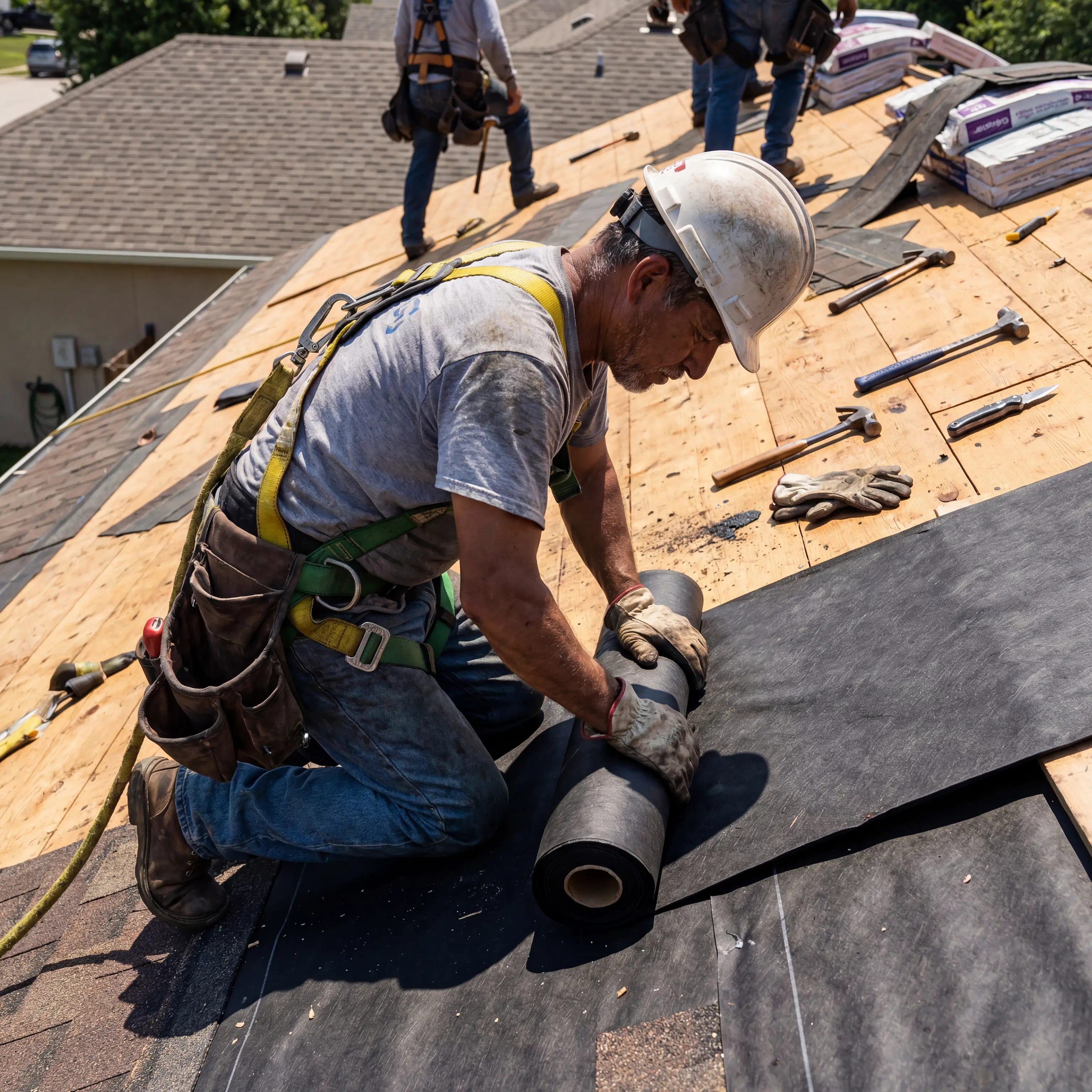
- Proper Underlayment: A synthetic, water-resistant underlayment is now the standard. It serves as a vital layer of protection between the roof deck and the shingles, which is especially important in our humid climate to prevent moisture damage.
These regulations are designed to make your roof stronger, safer, and more durable. A contractor who understands and applies them is investing in the long-term health of your home.
Why a Licensed & Insured Contractor is Non-Negotiable
Navigating permits and codes is precisely why you should only hire a fully licensed and insured South Carolina roofing contractor. An established local company brings peace of mind that transient crews simply can't offer.
Here’s what you get when you work with a true professional:
- Expertise in Local Codes: They are up-to-date on the specific requirements for Greenville County, Greer, Simpsonville, and other local jurisdictions. They know what inspectors look for and build your roof right the first time.
- Manages the Entire Process: A professional contractor handles everything—from filling out the permit application to scheduling the final inspection. This saves you time and eliminates the stress of dealing with municipal offices.
- Protects You from Liability: A licensed contractor carries both general liability and worker's compensation insurance. This means if an accident happens on your property, you are protected from financial and legal risk.
Choosing the right team for your new roof installation is the most important decision you'll make. Their credentials are your assurance of a safe, compliant, and high-quality project from start to finish.
Your Partner for a Code-Compliant Roof
Understanding building permits and codes doesn't have to be complicated. These regulations are in place to protect your home and ensure you receive a quality, long-lasting roof that can stand up to the unique weather challenges of The Upstate.
The key is to work with a trusted, local roofing partner who makes compliance a top priority. At Anchored Roofing, we handle all the paperwork and inspections, so you can focus on the finished product. We believe in doing things the right way, every time.
If you're considering a roof replacement for your home in the greater Greenville area, contact us today. Let's discuss how we can provide you with a safe, beautiful, and fully compliant new roof.