Your Roof's Unsung Hero: How Proper Attic Ventilation Extends Its Life
As a homeowner in the Greenville area, you know that your roof is your home's first line of defense against everything from scorching summer sun to unexpected hail season storms. You invest in quality materials and expert installation to ensure it lasts. But there’s a critical, often overlooked, system working behind the scenes that can dramatically impact your roof's lifespan and your home's comfort: attic ventilation.
Many homeowners don't think about what’s happening in their attic until a problem arises. The truth is, a well-ventilated attic is essential for protecting your entire roofing system, preventing costly repairs, and even lowering your monthly energy bills. It’s not just about letting air in; it’s about creating a balanced system that breathes, protecting your investment from the inside out. Let's explore how this unsung hero works and why it’s so crucial for every home in the Upstate.
What is Attic Ventilation and Why Does it Matter?
At its core, attic ventilation is a system of intake and exhaust vents that work together to create continuous airflow through your attic space. Think of it as your home's respiratory system. Cool, dry air is drawn in through intake vents (usually located in the soffits under the eaves), and warm, moist air is pushed out through exhaust vents (typically on or near the peak of the roof, like ridge vents).
This constant circulation is vital for combating two of your roof's biggest enemies: heat and moisture.
- Heat Buildup: During our hot and humid South Carolina summers, the sun beats down on your roof, causing attic temperatures to soar, sometimes reaching 150°F or more. Without a way to escape, this superheated air radiates down into your living space, forcing your air conditioner to work overtime. More importantly, it can essentially bake your shingles from the underside, leading to premature aging.
- Moisture Accumulation: Everyday activities like showering, cooking, and laundry generate moisture that can rise into the attic. In cooler months, this warm, moist air can condense on the cold surfaces of your roof's framing and sheathing. This creates the perfect environment for mold, mildew, and wood rot, which can compromise your home's structural integrity and lead to expensive roof repairs.
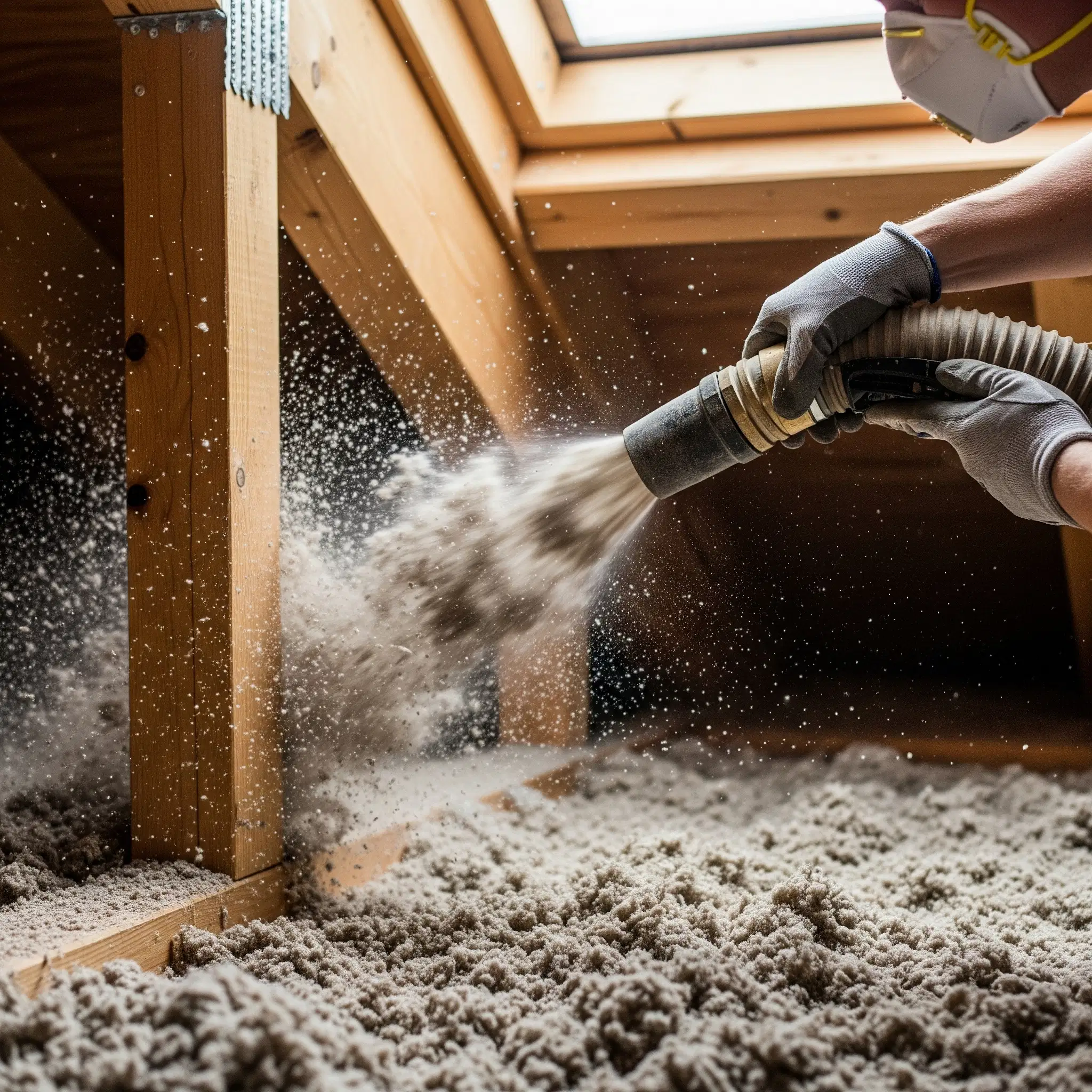
The Dangers of an Overheated Attic in Summer
When your attic can't breathe properly during the summer, the trapped heat creates a host of problems that directly shorten your roof's life. The primary victim is your shingles.
Asphalt shingles are designed to withstand the elements, but excessive, prolonged heat from below can cause them to blister, curl, and lose their protective granules much faster than they should. This process, known as thermal cycling, weakens the shingles and makes them brittle and susceptible to wind and storm damage. Unfortunately, damage caused by inadequate ventilation is often not covered by the manufacturer's warranty, leaving you with an unexpected and significant expense.
Beyond the roof itself, this trapped heat has a direct impact on your wallet. According to the Department of Energy, a properly ventilated attic can help reduce the heat transfer into your home, potentially lowering cooling costs by up to 30%. By allowing that hot air to escape, you create a more comfortable home and give your HVAC system a much-needed break, extending its lifespan as well.
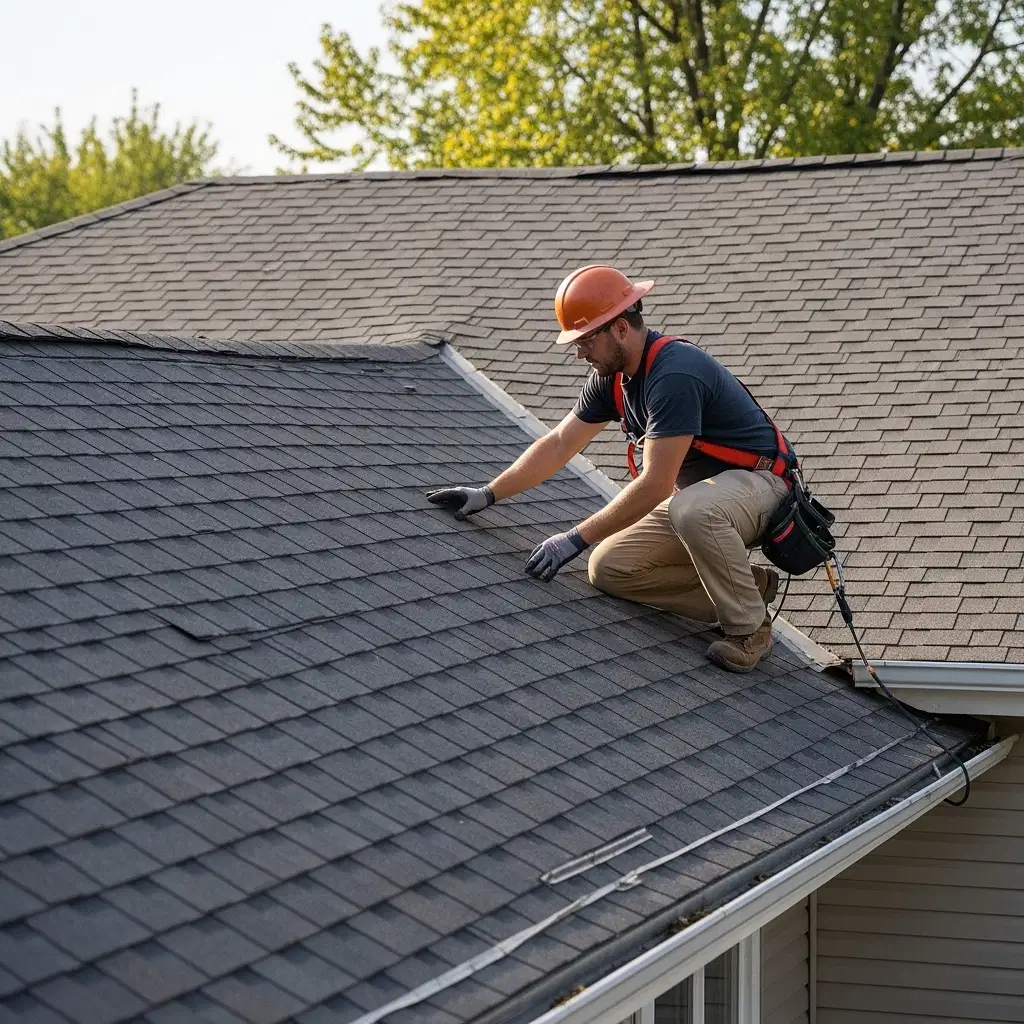
Common Signs Your Attic Ventilation Needs an Upgrade
How can you tell if your attic is properly ventilated? While a professional inspection is the best way to know for sure, there are several warning signs you can look for as a homeowner. Addressing these early can save you from a premature new roof installation.
Keep an eye out for these red flags:
- Consistently High Energy Bills: If your cooling costs seem unusually high in the summer despite a well-maintained AC unit, an overheated attic could be the culprit.
- Prematurely Aging Shingles: Look for shingles that are cracked, curling at the edges, or blistering. This is a classic sign that they are being cooked from below.
- Warm or Stuffy Upper Floors: If the second story of your home is always noticeably hotter than the first, it may be due to heat radiating down from the attic.
- Moisture or Frost in the Attic: During a cold snap, check your attic for any signs of condensation, frost on the underside of the roof deck, or damp insulation. These are clear indicators that moisture is trapped.
- Visible Mold or Mildew: Dark stains on the wood sheathing or rafters are a serious sign of a long-term moisture problem that needs immediate attention.
If you notice any of these issues, it's a good idea to have your ventilation system evaluated by a professional.
Protect Your Investment with Anchored Roofing
Proper attic ventilation isn't a luxury; it's a fundamental part of a healthy, long-lasting roofing system. It protects your shingles, safeguards your home's structure from moisture damage, and improves your home's energy efficiency. By ensuring your attic can breathe, you are taking a proactive step to maximize the return on your roofing investment and maintain your peace of mind.
If you're concerned about your home's ventilation or are planning for a new roof, the expert team at Anchored Roofing is here to help. We provide comprehensive attic ventilation solutions tailored to the specific needs of your home. Contact us today for a free, no-obligation inspection for your Greenville home. Let us help you ensure your roof is anchored in quality and built to last.