
Your Roof's Unsung Hero: How Proper Attic Ventilation Extends Its Life in the Upstate
Anyone who has spent a summer in the Greenville area knows our signature humidity. It’s the kind of thick, warm air that hangs around long after one of our famous pop-up storms. While we can retreat indoors to the comfort of our air conditioning, your home’s attic isn’t so lucky. Trapped heat and moisture can create a hostile environment right above your head, silently working to shorten your roof's lifespan, drive up energy bills, and even compromise your home's structural integrity.
The secret to fighting back isn't just about having quality shingles; it's about ensuring your attic can breathe. Proper attic ventilation is one of the most critical and often overlooked components of a healthy roofing system. In this guide, we'll explore why managing airflow is so crucial for homes in The Upstate and what you can do to protect your biggest investment.
The Hidden Damage Caused by Trapped Heat and Humidity
A poorly ventilated attic acts like a pressure cooker in the summer. As the sun beats down on your roof, temperatures inside the attic can soar to 150°F or higher. When combined with our region's high humidity, this trapped, superheated air becomes a destructive force.
Here’s what’s happening above your ceiling:
- Premature Shingle Aging: Intense heat from the attic essentially bakes your shingles from the underside. This causes the asphalt to lose its protective oils, leading to curling, cracking, and granule loss. A roof that should last 25 years might fail in just 15.
- Moisture and Mold Growth: Hot air holds more moisture. When this humid air comes into contact with cooler surfaces overnight, it condenses. This constant dampness is the perfect breeding ground for mold and mildew, which can cause unpleasant odors and health issues. It's also a primary cause of those unsightly black streaks (algae) you see on many roofs.
- Structural Wood Rot: Condensation doesn't just fuel mold; it saturates the wooden components of your roof structure. Over time, this persistent moisture can lead to wood rot in the roof decking, rafters, and support beams, turning a simple ventilation issue into a major and expensive roof repair.
- Reduced Insulation Effectiveness: The insulation in your attic is designed to work when it's dry and fluffy. When it becomes damp from condensation, it compresses and loses its insulating properties, forcing your HVAC system to work much harder to keep your home comfortable.
The Science of a Breathing Attic: A Balanced System
Effective attic ventilation isn't about simply adding a vent here or there; it's about creating a balanced, continuous flow of air. The principle is based on simple physics: hot air rises. A properly designed system uses this to its advantage to create a cycle of fresh air.
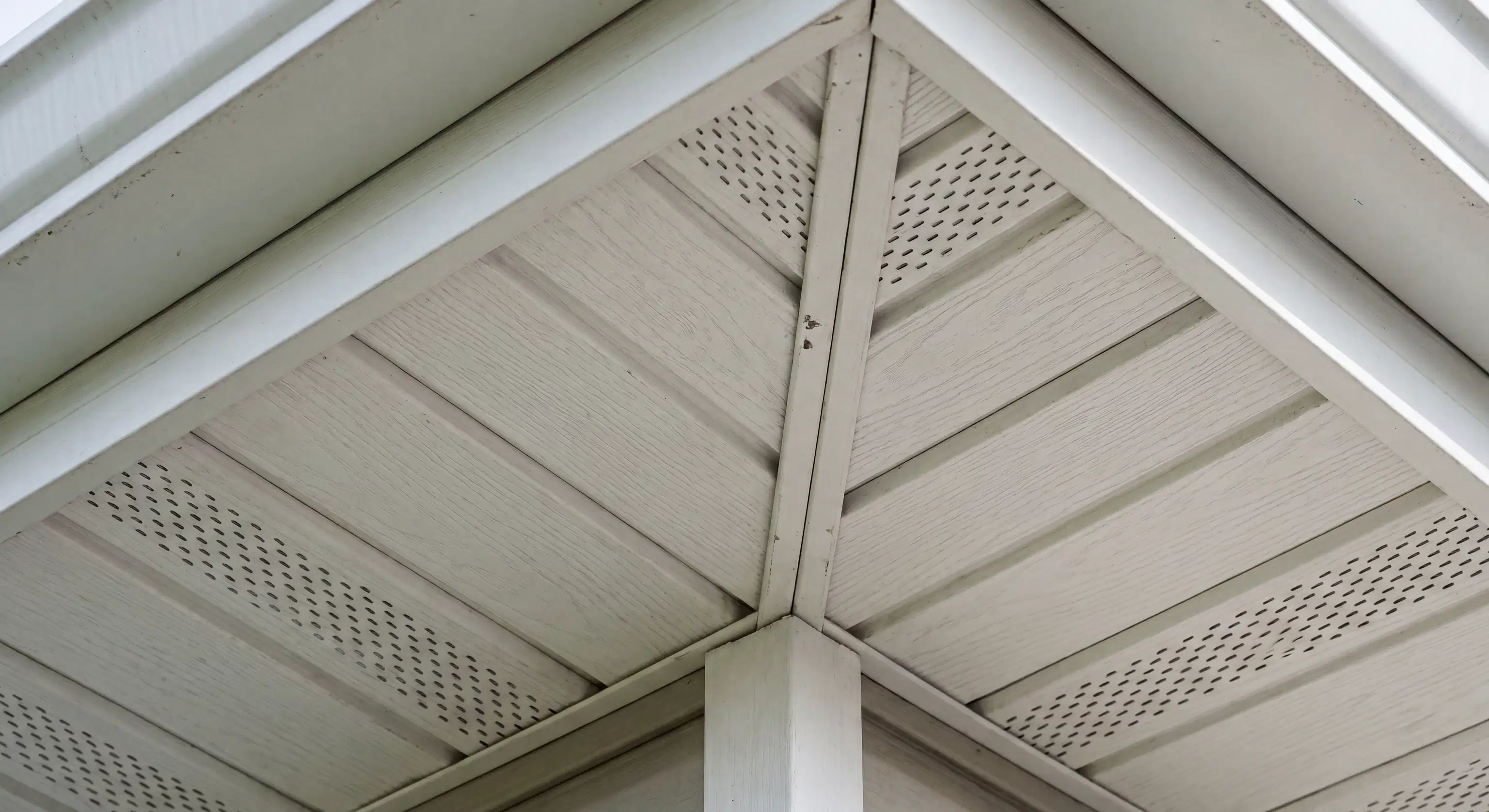
- Intake Vents (The Inhale): Located at the lowest part of the roof, typically in the soffits or eaves, these vents draw in cooler, drier air from outside.
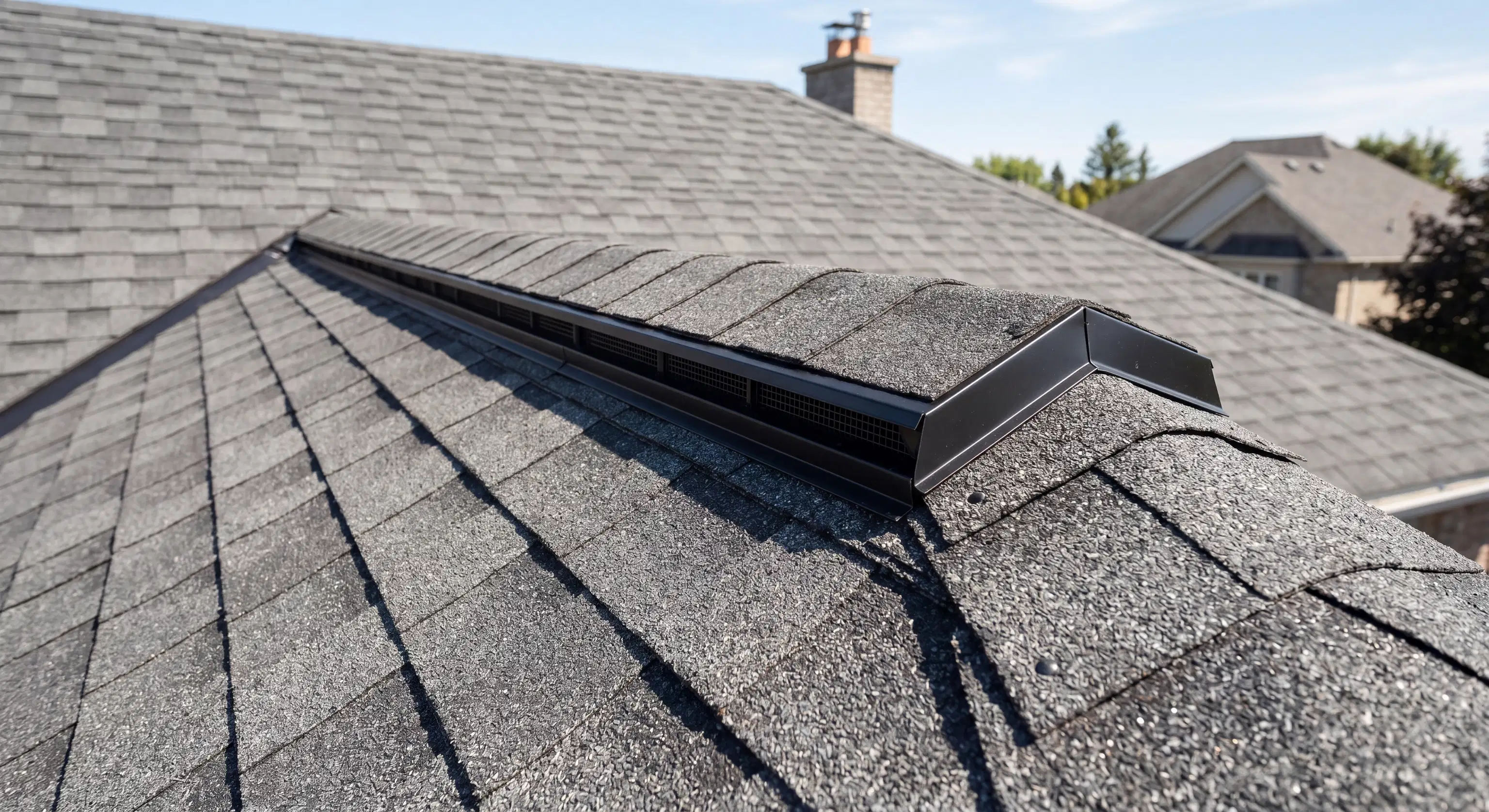
- Exhaust Vents (The Exhale): Positioned at the highest point of the roof, such as a ridge vent or near the peak, these vents allow the hot, moist air that has risen to the top of the attic to escape.
This creates a passive airflow that constantly flushes out damaging heat and humidity without requiring electricity. For a system to work, the amount of intake ventilation must be equal to or greater than the amount of exhaust ventilation. An imbalanced system can be ineffective or, in some cases, even pull conditioned air from your living space into the attic, wasting energy.
Warning Signs of Poor Attic Ventilation
How can you tell if your attic is struggling to breathe? Your home often provides clues. Keep an eye out for these common red flags:
- Sky-High Summer Energy Bills: If your air conditioner seems to be running non-stop just to keep the house comfortable, a sweltering attic could be the culprit.
- Hot Ceilings or Upper Floors: The heat from your attic will radiate downwards, making the rooms directly below it noticeably warmer than the rest of the house.
- Ice Dams in Winter: While less common in South Carolina, ice dams can form when a hot attic melts snow on the roof, which then refreezes at the colder eaves. This is a classic sign of heat escaping through your roof due to poor ventilation and insulation.
- Visible Moisture or Frost: On a cool morning, a quick peek into your attic might reveal condensation or even frost on the underside of the roof decking or on nail heads.
- Curling or Deteriorating Shingles: As mentioned earlier, if your shingles look warped or are losing granules well before their warranty is up, your attic heat is likely a contributing factor.
Your Path to a Healthier Roof and Home
If you recognize any of these warning signs, it's time to take action. The good news is that improving your attic's airflow is one of the best investments you can make for your home's longevity and efficiency.
The first step is a professional assessment. Our team at Anchored Roofing can perform a thorough inspection to evaluate your current ventilation, check for signs of moisture damage, and measure your attic's specific needs. Based on our findings, we can recommend tailored attic ventilation solutions, from adding soffit vents to installing a high-performance ridge vent system.
In some cases, ventilation issues are a symptom of a larger problem with an aging roof. If your roof is nearing the end of its life, planning for a new roof installation is the perfect opportunity to design and implement a modern, perfectly balanced ventilation system from the ground up, ensuring your new roof is protected for decades to come.
Don't let the Upstate humidity get the best of your home. If you're ready to improve your home's efficiency and protect your roof, contact Anchored Roofing LLC today. We’re proud to help homeowners across Greenville and the surrounding communities achieve a safer, more comfortable, and longer-lasting home.